
Beyond Security: How Video Analytics Improve Business Operations
For most security professionals, video surveillance is most commonly associated with monitoring facilities, deterring unwanted activity and providing evidence when an incident occurs. However, modern video systems can do much more than document what happened.
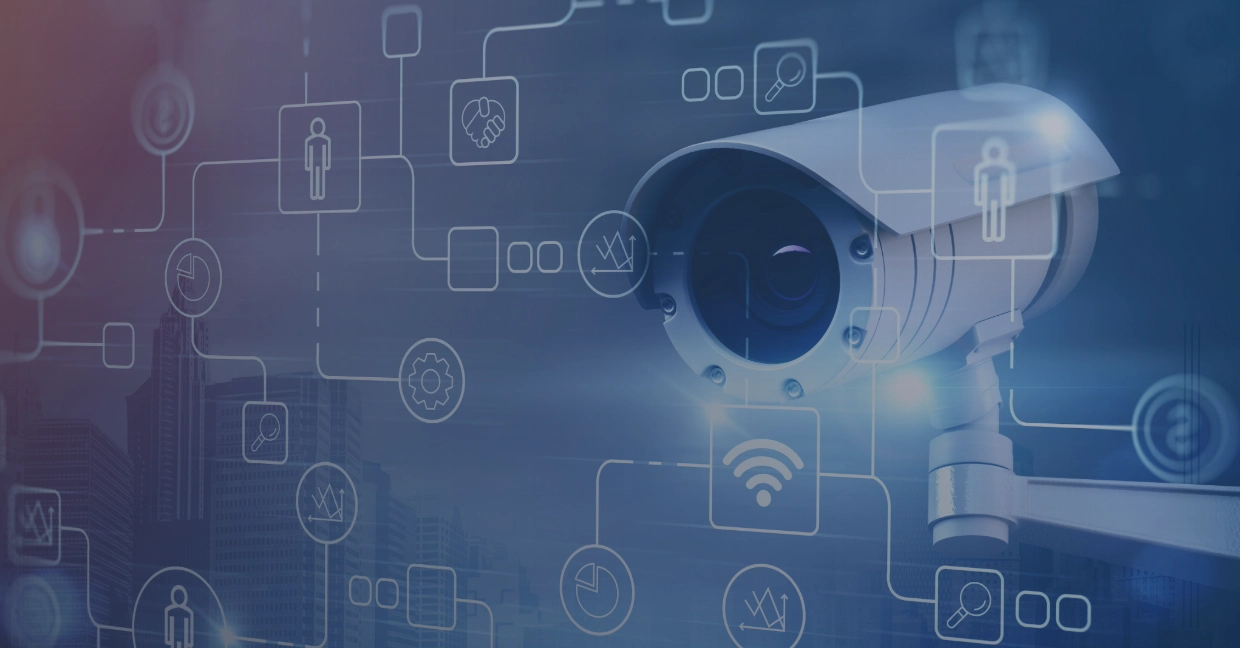
Now that video analytics and artificial intelligence are a part of the equation, the same devices traditionally used for surveillance can also provide insights into how people move through a space, how facilities are being used and where operational bottlenecks may be developing. This turns video footage into more than just a record of past events but also a source of operational intelligence that can support both security and business decisions.
For organizations already investing in video infrastructure, that creates an opportunity to generate additional value without building an entirely separate system for every business function.
Video Surveillance Has More to Offer Than Security
In many cases, conventional surveillance systems are designed to be reactive. Something happens, and security teams review video to understand what occurred. Analytics change that model by enabling systems to identify patterns and conditions as they happen.
People counting, occupancy detection, object tracking, line crossing, loitering and other analytics can provide information about activity within a space. Rather than requiring an operator to continuously watch every camera, intelligent systems can identify events or patterns that warrant attention.
These expanded capabilities can help security teams respond more efficiently—but the same information can also support decisions outside the security department, from staffing and space utilization to customer experience and facility operations. The key is to think of video not simply as footage, but as data.
Turning Video Into Operational Intelligence
Every physical environment generates patterns.
Customers move through retail stores. Guests navigate hotel lobbies and common areas. Employees move between workspaces. Visitors gather in certain areas at particular times. Queues form and disperse. Some spaces remain underused while others become congested.
Video analytics can help organizations identify these patterns at scale, turning activity into information that teams can use to make better decisions. For example, people-counting analytics can provide insight into traffic volume, while occupancy analytics can help organizations understand how many people are using a particular area. Object tracking and movement analytics can provide additional context about how activity unfolds.
The value isn’t necessarily in collecting more information. It’s in turning video into information that can support a decision.
Retail: Understanding How Customers Move
In retail environments, for instance, security video can also support business operations. For security and sales teams alike, understanding where customers spend time, where congestion develops and how people move through a store can help organizations (re)evaluate layouts and optimize customer experiences. While queue monitoring can provide insight into periods when additional staff may be needed, traffic patterns can help identify areas that receive less attention or engagement.
These insights don’t replace the value of security surveillance. They extend it.
Hospitality: Improving the Guest Experience
Hospitality environments present another opportunity. Consider a guest moving from a hotel lobby to reception and then through common areas before an incident occurs. Security teams may need that continuous visual context to understand what happened. But the same understanding of movement and congestion can have operational value.
Are guests consistently clustering around one area? Does the reception queue regularly extend into a common space? Are certain areas experiencing unusual traffic at particular times?
Video analytics can help identify these patterns, giving hospitality teams another way to understand where operational friction may affect the guest experience. The objective, here, isn’t to turn every camera into a business intelligence tool. Instead, it’s to recognize that the physical environment already contains useful information and video can provide a practical way to access it.
From Reactive Investigations to Proactive Decisions
Perhaps the biggest change is the shift from using video primarily after an event to using it as an ongoing source of intelligence. Security teams still need video to investigate incidents. But AI-powered analytics can help them find relevant information more quickly and identify activity that may require attention in the first place.
This creates a continuum: Capture → Analyze → Alert → Investigate → Act.
The more effectively those stages work together, the more value organizations can derive from their video infrastructure. That makes the video management system increasingly important—not simply for managing cameras, but for connecting video, analytics, people and action. Analytics are most useful when the resulting intelligence can be surfaced, understood and acted upon through practical workflows.
Why the VMS Matters
As organizations add analytics to their surveillance environments, they also need a way to manage the growing volume of information those analytics produce.
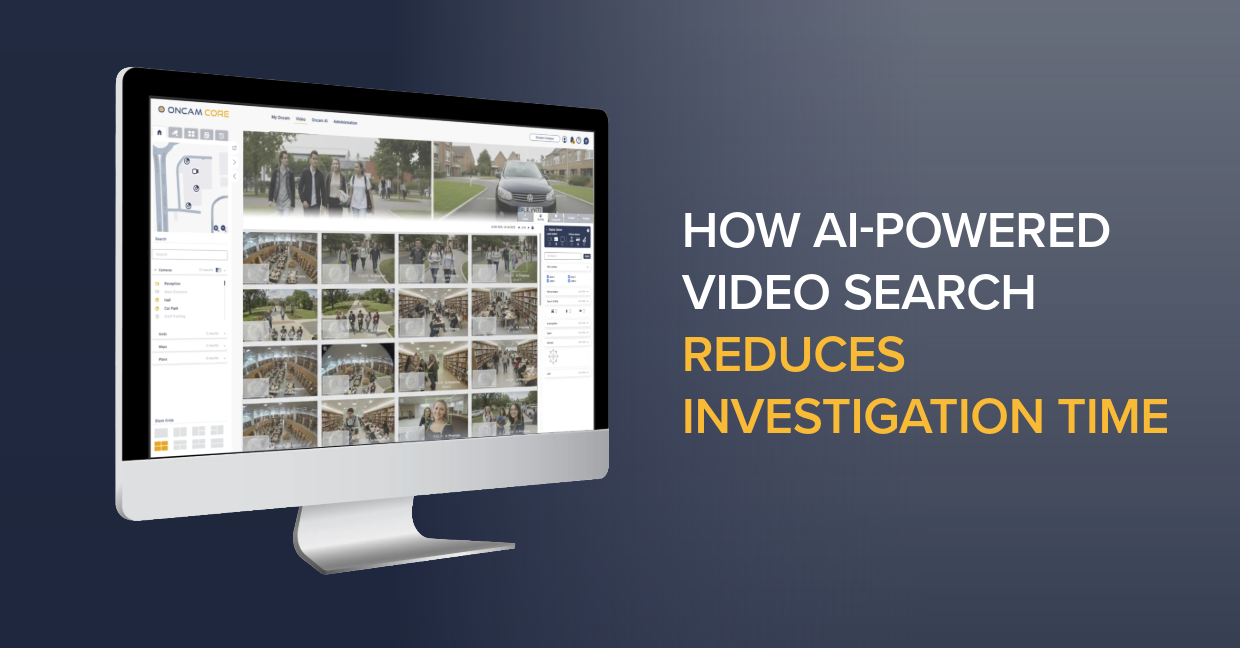
An AI-powered VMS like Oncam Core provides the foundation for bringing video, analytics and security workflows together. Rather than treating analytics as isolated capabilities attached to individual cameras, an intelligent VMS can help organizations access video intelligence through a centralized environment.
That matters because operational value depends on usability. An organization may have sophisticated analytics, but if security and operations teams can’t easily find, interpret, and act on the resulting information, much of that potential remains unrealized. A modern VMS should therefore help organizations move beyond simply managing cameras. It should help them make sense of the information those cameras generate.
Building More Valuable Video Infrastructure
The evolution of video surveillance isn’t about moving away from security. Security remains the foundation. Instead, organizations have an opportunity to build on that foundation.
Video analytics can help security teams investigate incidents more efficiently while giving operations teams new visibility into the way physical spaces function. As AI becomes more capable, the potential applications will continue to expand.
For organizations already investing in video infrastructure, that means the return on investment can extend well beyond incident prevention and investigation. The cameras watching a facility today may also provide insights that help organizations manage that facility better tomorrow.
The opportunity isn’t simply to see more. It’s to understand more—and, importantly, use that understanding to make better decisions.
See What Your Video Infrastructure Can Do Beyond Security
Your video infrastructure already captures valuable information every day. With AI-powered video analytics and intelligent video management, that information can become actionable intelligence that helps your security and operations teams make better decisions.
See how Oncam Core can help you get more value from your video investment: Book a Demo