
Hybrid Video Surveillance Architecture: Why Flexibility Is Shaping the Future of Enterprise Video Surveillance
Oncam COO Scott Brothers joined the SecurityDNA podcast to discuss cloud adoption, hybrid architecture, AI-powered analytics, interoperability, and the future of enterprise video surveillance.
Key takeaways:
- Hybrid video surveillance architecture — combining edge processing, local storage, and cloud services — is becoming the enterprise standard because it balances performance, cost, and resilience better than pure cloud or pure on-prem.
- AI video analytics delivers real operational value, but total cost of ownership (compute, storage, network) needs to be evaluated alongside features, not after deployment.
- Interoperability and open platforms are now top evaluation criteria, since security leaders want confidence their investment scales with the business for years, not just quarters.
- Integrators remain essential to enterprise deployments — manufacturer-integrator partnerships are what turn a platform decision into a working system.
The physical security industry is entering a new phase of transformation. Cloud technology continues to reshape security operations, AI is unlocking new levels of operational efficiency, and organizations are gravitating toward solutions that simplify system management while supporting long-term business goals.
At the same time, enterprise security leaders are navigating tougher decisions than ever around infrastructure, cybersecurity, scalability, cost, and interoperability. Oncam COO Scott Brothers recently sat down with SecurityInfoWatch Editorial Director Steve Lasky on the SecurityDNA Podcast to dig into where the industry is headed — and what security leaders should be thinking about as they plan ahead.
How Is Cloud Adoption Changing Enterprise Video Surveillance?
Cloud has earned its place as a core piece of the modern security stack, giving organizations centralized management, remote accessibility, and greater operational visibility. Scaling it across an enterprise, though, means balancing storage, bandwidth, cybersecurity, compliance, and existing infrastructure investments — especially for facilities running hundreds or thousands of cameras.
Brothers’ take: successful deployments start with business objectives and operational requirements, not a predetermined technology stack. Align the tech to the goal, not the other way around.
What Is Hybrid Video Surveillance Architecture, and Why Are Enterprises Adopting It?
Hybrid video surveillance architecture combines edge processing and local camera storage with cloud-based analytics, remote access, and centralized management — giving enterprises flexibility that pure cloud or pure on-premise systems can’t match on their own.
More organizations are landing here because it delivers better performance, more manageable storage costs, stronger resilience, and more control over infrastructure spend. That combination is exactly why hybrid is emerging as the practical middle ground for enterprise deployments, rather than a stopgap on the way to “full cloud.”
A New Inflection Point for Physical Security
Brothers has seen major shifts before — the move from analog to IP video reshaped the entire industry. He sees today’s moment as another one of those turning points, driven by industry consolidation, expanding software capabilities, and rising customer expectations.
The shift: security leaders are no longer evaluating individual products in isolation. They’re asking how an entire platform supports business outcomes — usability, scalability, and long-term ROI included.
Moving Beyond AI Buzzwords
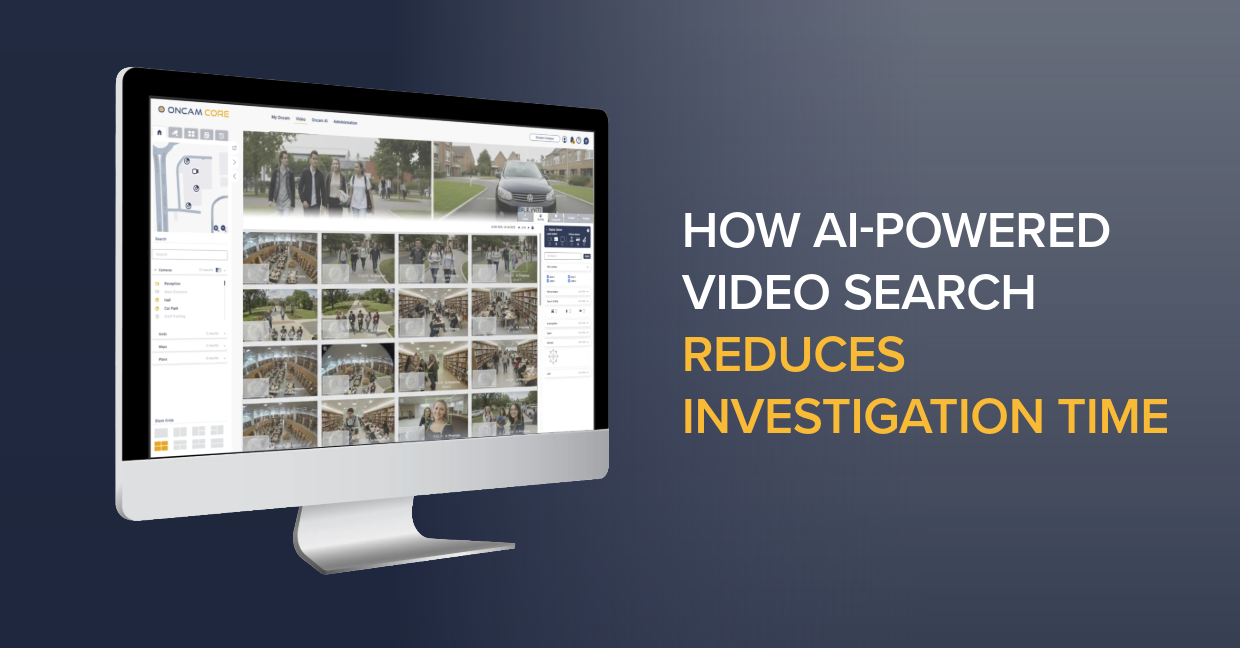
AI is everywhere in security conversations right now, and for good reason — it’s genuinely changing how teams work. The real value shows up in practical terms: faster investigations, better-prioritized events, and less time spent manually reviewing footage.
For end users, that means AI surfacing the incidents that actually need a response, instead of a pile of footage to sort through — helping teams shift from reactive to proactive.
The Real Economics of AI at Scale
Advanced analytics, object recognition, and event detection all require real infrastructure — compute, storage, network — and depending on how those services are delivered, costs can show up in places procurement teams didn’t budget for.
Brothers’ advice: evaluate AI on total cost of ownership and long-term ROI, not just feature checklists. Understanding the full cost picture up front makes for a much more sustainable deployment strategy.
Why the Channel Still Matters
Manufacturers don’t get enterprise deployments right alone. Integrators bring the on-the-ground expertise — system design, deployment, training, long-term optimization — and their read on customer environments is what turns complex technology decisions into working systems.
Strong manufacturer-integrator partnerships aren’t a nice-to-have here; they’re what accelerates innovation and actually improves the customer experience.
Why Does Interoperability Matter When Choosing a Security Platform?
As security systems get more connected and data-driven, “will this still work in five years?” has become one of the top questions security leaders ask. Flexibility, device compatibility, and migration paths all factor into whether a platform is a safe long-term bet.
Brothers’ recommendation: bring security, operations, IT, and executive leadership into the evaluation process together. The more perspectives at the table, the better the investment holds up over time.
The Path Forward
The throughline across the conversation: flexibility, practical intelligence, and business value are what’s defining the next phase of enterprise security. Hybrid architecture, real-world AI applications, open platforms, and strong partner ecosystems are the pieces coming together to get there.
Ready to see it in action? Book a demo with our team: oncam.net/demo
Frequently Asked Questions
What is hybrid video surveillance architecture?
Hybrid video surveillance architecture combines edge processing and local storage on cameras with cloud-based analytics, remote access, and centralized management. It gives enterprises the resilience and bandwidth efficiency of on-prem systems alongside the scalability and collaboration tools of the cloud.
How is cloud adoption changing enterprise video surveillance?
Cloud adoption is shifting video surveillance from siloed, site-by-site systems toward centrally managed platforms with remote access and software-driven updates. For enterprises, the challenge is balancing that shift against bandwidth, compliance, and existing infrastructure investment.
What do AI video analytics really cost at enterprise scale?
Costs go beyond the software license — compute, storage, and network usage all scale with how much video is processed and how sophisticated the analytics are. Security leaders should evaluate total cost of ownership and expected ROI, not just feature lists, before deploying AI analytics broadly.