The Power of Hybrid Storage Strategies
Storage has traditionally been one of the most rigid parts of video surveillance. For many integrators, legacy architectures forced a choice between local retention or centralized storage – a decision that often led to oversizing, unnecessary cost, or systems that were harder to manage than they needed to be.
Hybrid storage strategies change that.
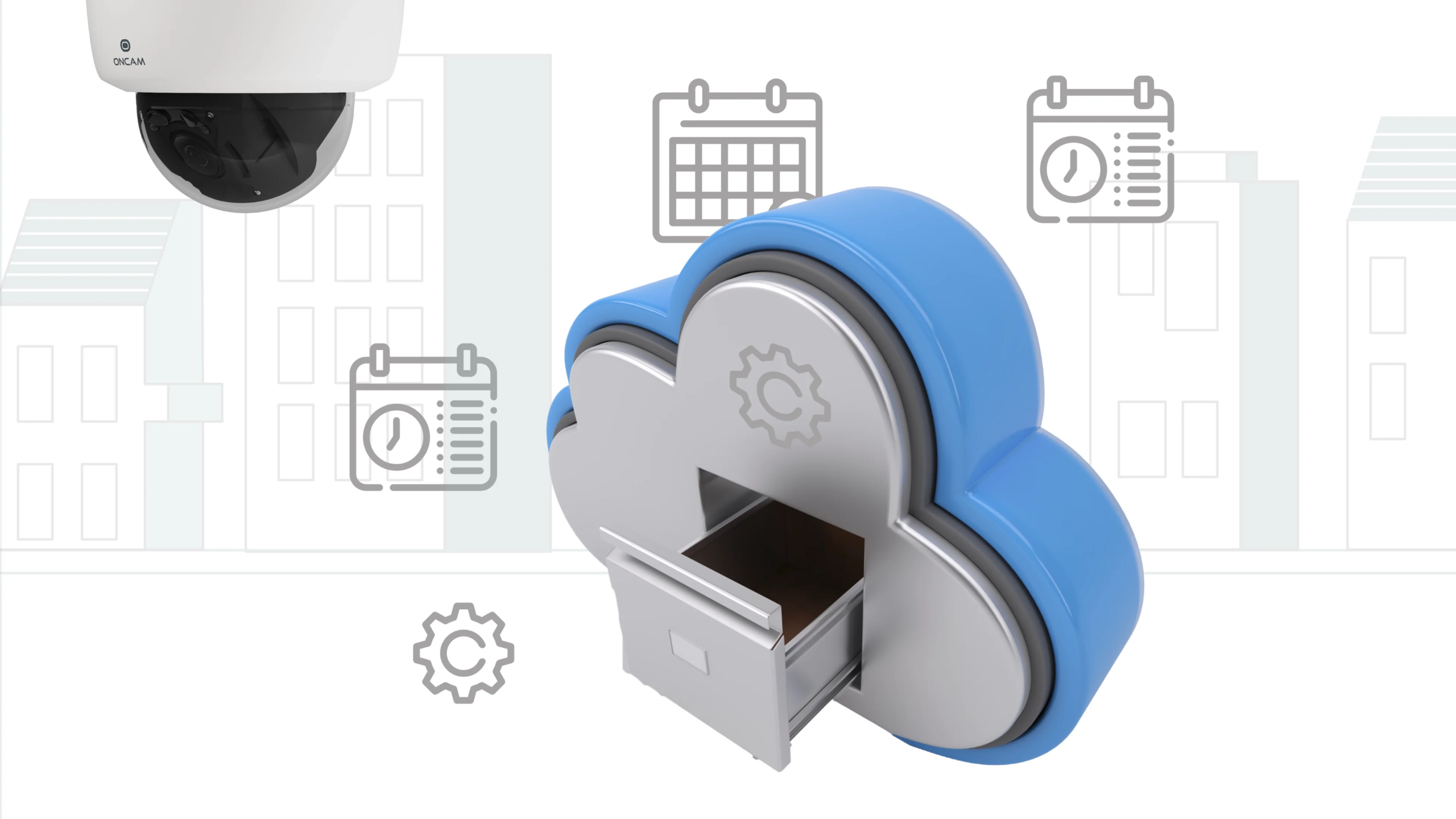
In modern edge‑to‑cloud architectures, storage becomes policy‑driven rather than fixed. Local storage at the edge provides immediate resilience and fast access, ensuring continuous recording even during network disruptions. Cloud storage then supports long‑term retention, centralized visibility, and regulatory compliance – without the burden of oversized on‑prem hardware.
This flexibility allows organizations to align storage behavior with real operational needs. High‑value events can be retained longer and synchronized centrally, while routine footage stays local. As regulations evolve, retention policies can adapt without hardware refresh cycles or disruptive redesigns.
From an engineering perspective, intelligent synchronization is essential. Video captured during outages should upload automatically once connectivity returns, without manual steps or complex workflows. When done well, the experience feels simple to the user while remaining robust behind the scenes.
Hybrid storage also reinforces open, channel‑first deployments. Integrators can design solutions around customer requirements rather than vendor limitations, while end users avoid lock‑in and protect long‑term ROI. The result is higher uptime, better cost control, and systems that stay adaptable as needs change.

The Future of Video Surveillance Reimagined
Video surveillance can be complicated, expensive and difficult to scale. At Oncam, we believe it doesn’t have to be that way. By leveraging the power of the cloud with cutting edge AI, Oncam is putting real-time visibility and control at your fingertips.
For more details visit: Oncam.net