The Growing Role of Operational Intelligence in Video Surveillance
For years, video surveillance systems were primarily used as forensic tools. When an incident occurred, security teams would review footage to understand what happened and support investigations. While this remains an important function for video surveillance systems, organizations are increasingly recognizing that video data can provide value far beyond traditional security applications.
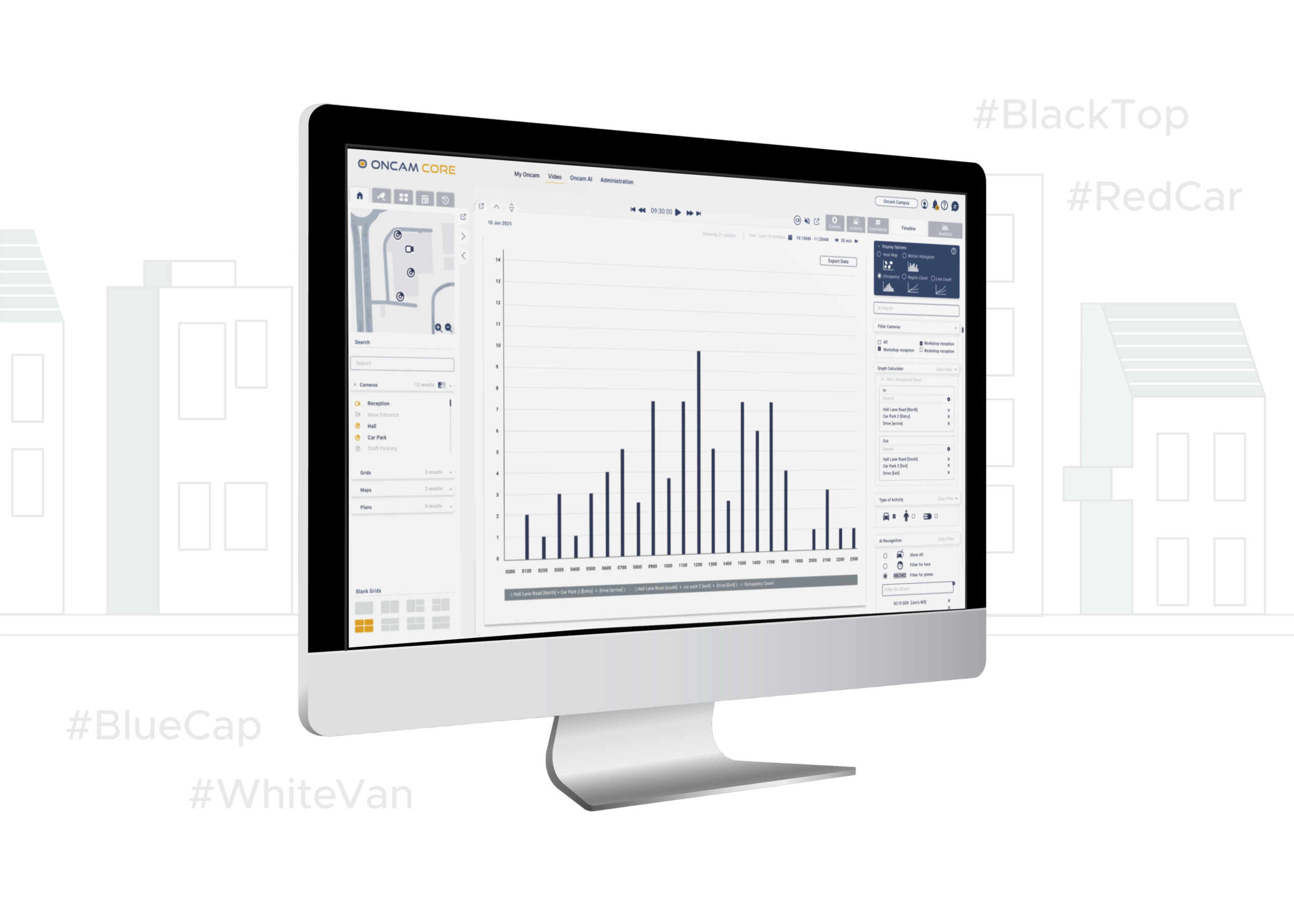
Today, advances in AI-powered analytics and centralized video management platforms are transforming surveillance systems into sources of operational intelligence. Rather than simply recording events, modern video solutions can help organizations gain real-time visibility into facility operations, safety conditions, and business processes.
The Challenge: More Data, Fewer Resources
This shift is being driven by a challenge common to organizations managing multiple locations. Security and operations teams are often responsible for overseeing large, distributed environments while working with limited resources and growing amounts of data. As leaders look for ways to improve efficiency and maximize existing technology investments, many are asking a simple question: How can we get more value from the systems we already have?
AI-powered, cloud-based video infrastructure is uniquely positioned to support that goal.
Historically, reviewing video footage has been a manual and time-consuming process. Today, AI-powered analytics can automatically identify patterns, detect anomalies, and surface actionable insights in real time. This allows organizations to move beyond simply documenting events and begin using video data to better understand how their facilities, people, and processes are performing.
From Security Tool to Business Resource
As organizations seek greater operational visibility, video surveillance is evolving from a system used solely for security and investigations into a valuable business resource. Rather than relying on video only after an incident occurs, organizations can use analytics-driven insights to proactively identify trends, improve situational awareness, and support more informed decision-making.
This evolution allows organizations to extract greater value from existing technology investments while providing stakeholders across security, operations, and leadership teams with actionable information that helps improve day-to-day performance.
Real-World Applications of Operational Intelligence
Operational intelligence can take many forms. For example:
- Security teams can use video analytics to monitor occupancy levels, identify unusual activity, and better understand how facilities are being used across multiple locations.
- Retail organizations can analyze customer traffic patterns, peak activity periods, and queue lengths to help improve staffing decisions and enhance the customer experience.
- Manufacturing facilities can monitor workflow efficiency, identify operational bottlenecks, and support safety initiatives by detecting restricted-area access.
- Healthcare providers can gain greater visibility into patient flow, waiting areas, and controlled-access spaces, helping staff improve both operational efficiency and security.
- Warehousing and logistics operations can monitor loading dock activity, verify shipments, and identify process delays that impact throughput and productivity.
Across industries, video data is helping organizations make more informed decisions. Insights that were once buried within hours of recorded footage can now be used to improve workflows, enhance safety, optimize resource allocation, and support broader business objectives.
Unlocking More Value from Existing Video Investments
Importantly, this evolution does not change the core mission of video surveillance. At its core, the protection of people and assets remains the foundation. Operational intelligence expands the value of video by transforming it into a broader business resource—one that can deliver benefits not only to security teams, but also to operations leaders and executive stakeholders.
By leveraging AI-powered analytics, organizations can reduce manual monitoring efforts, gain greater visibility into their environments, and identify opportunities for operational improvement. The result is a stronger return on existing video investments and increased value across multiple areas of the business.
Looking Ahead
As organizations continue to modernize their physical security environments, the ability to turn video data into actionable insights will become more and more important. Organizations that continue to view video surveillance solely as a security tool may be overlooking valuable operational intelligence already available within their existing infrastructure.
The future of video surveillance isn’t simply about capturing more footage but about helping organizations better understand, manage, and improve their operations while maximizing the value of their technology investments.