Reducing TCO: Cloud Solutions vs. Traditional Server-Based Surveillance
For years, the total cost of ownership (TCO) in physical security has been shaped by hardware—servers, storage, and the ongoing effort required to keep them running. But as organizations expand across multiple sites and the volume of video data grows, this model becomes harder to scale without significant complexity and cost. Traditional server-based architectures rely on large upfront capital investments, routine maintenance, and periodic hardware refresh cycles. These systems can be predictable, but they’re also rigid. Scaling typically means adding more servers, more storage, and more specialist resources to keep everything connected and performing. As environments evolve, this model [...]

Designing Future-Ready Security Systems: What Integrators Should Ask Their Vendors
Designing a security system that performs reliably today—and remains effective as requirements evolve—has never been more challenging. Integrators are being asked to deliver solutions that flex with changing environments, shifting threats, and rapidly expanding data demands. End users, meanwhile, face increasing pressure to safeguard their operations with systems that won’t become obsolete the moment requirements change. Building a truly future-ready system starts with asking the right questions. Not just of end users, but of the technology partners you rely on to deliver scalable, long‑term value: 1. How is your surveillance platform architected? Systems built on cloud-native or hybrid foundations are [...]

The Case for Open Standards in Modern Surveillance Ecosystems
Video surveillance systems no longer operate in isolation. Cameras, access control, analytics engines, storage platforms, and management software now intersect across sites, networks, and organizational teams. In this environment, closed systems create friction. Open standards reduce that friction. Interoperability is now the backbone of modern surveillance. When devices communicate through widely adopted protocols, integrators can design around operational needs - not vendor limitations. This isn’t about experimentation. It’s about building systems that behave predictably and scale with confidence. Interoperability as Operational Insurance Open standards such as ONVIF have become foundational to IP-based deployments. By defining common communication frameworks between cameras, [...]
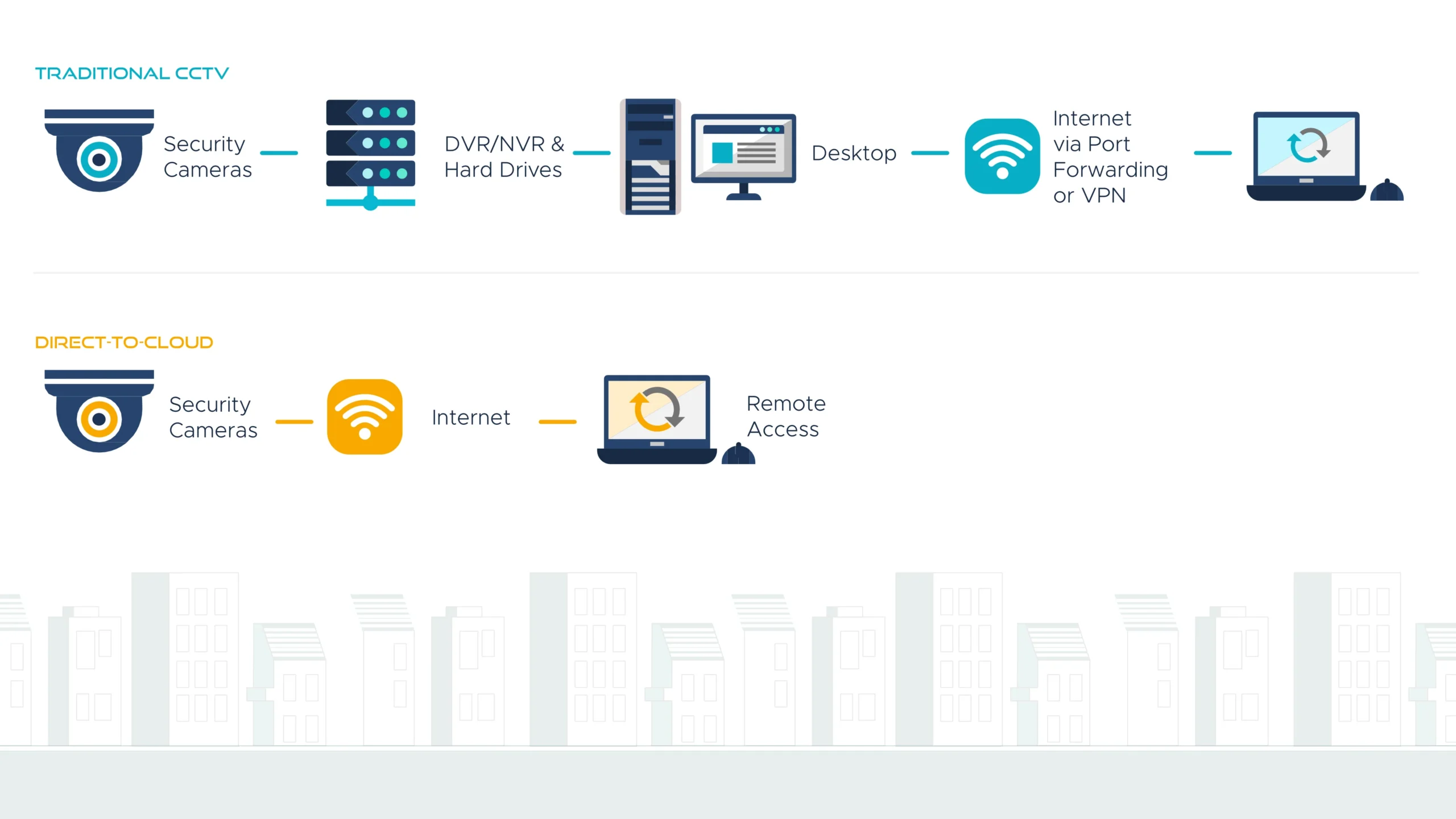
For years, the total cost of ownership (TCO) in physical security has been shaped by hardware—servers, storage, and the ongoing effort required to keep them running. But as organizations [...]

Designing a security system that performs reliably today—and remains effective as requirements evolve—has never been more challenging. Integrators are being asked to deliver solutions that flex with changing environments, shifting [...]

Video surveillance systems no longer operate in isolation. Cameras, access control, analytics engines, storage platforms, and management software now intersect across sites, networks, and organizational teams. In this environment, closed [...]