
Designing Future-Ready Security Systems: What Integrators Should Ask Their Vendors
Designing a security system that performs reliably today—and remains effective as requirements evolve—has never been more challenging. Integrators are being asked to deliver solutions that flex with changing environments, shifting threats, and rapidly expanding data demands. End users, meanwhile, face increasing pressure to safeguard their operations with systems that won’t become obsolete the moment requirements change. Building a truly future-ready system starts with asking the right questions. Not just of end users, but of the technology partners you rely on to deliver scalable, long‑term value: 1. How is your surveillance platform architected? Systems built on cloud-native or hybrid foundations are [...]

The Case for Open Standards in Modern Surveillance Ecosystems
Video surveillance systems no longer operate in isolation. Cameras, access control, analytics engines, storage platforms, and management software now intersect across sites, networks, and organizational teams. In this environment, closed systems create friction. Open standards reduce that friction. Interoperability is now the backbone of modern surveillance. When devices communicate through widely adopted protocols, integrators can design around operational needs - not vendor limitations. This isn’t about experimentation. It’s about building systems that behave predictably and scale with confidence. Interoperability as Operational Insurance Open standards such as ONVIF have become foundational to IP-based deployments. By defining common communication frameworks between cameras, [...]
How Edge AI is Transforming Video Surveillance Performance
How AI at the Edge Is Transforming Video Surveillance Artificial intelligence has been part of video surveillance for years. What’s changed is where that intelligence lives. As edge hardware becomes more capable, AI processing is moving closer to where video originates—a shift that’s reshaping system performance, resilience, and the overall user experience. Shifting AI to the edge reduces reliance on centralized infrastructure. Instead of streaming all video to a server or cloud for analysis, cameras can detect events, generate metadata, and surface insights in real time. This lowers latency, reduces bandwidth consumption, and keeps systems operational even when [...]
The Power of Hybrid Storage Strategies
Storage has traditionally been one of the most rigid parts of video surveillance. For many integrators, legacy architectures forced a choice between local retention or centralized storage - a decision that often led to oversizing, unnecessary cost, or systems that were harder to manage than they needed to be. Hybrid storage strategies change that. In modern edge‑to‑cloud architectures, storage becomes policy‑driven rather than fixed. Local storage at the edge provides immediate resilience and fast access, ensuring continuous recording even during network disruptions. Cloud storage then supports long‑term retention, centralized visibility, and regulatory compliance - without the burden of oversized [...]

Designing a security system that performs reliably today—and remains effective as requirements evolve—has never been more challenging. Integrators are being asked to deliver solutions that flex with changing environments, shifting [...]

Video surveillance systems no longer operate in isolation. Cameras, access control, analytics engines, storage platforms, and management software now intersect across sites, networks, and organizational teams. In this environment, closed [...]
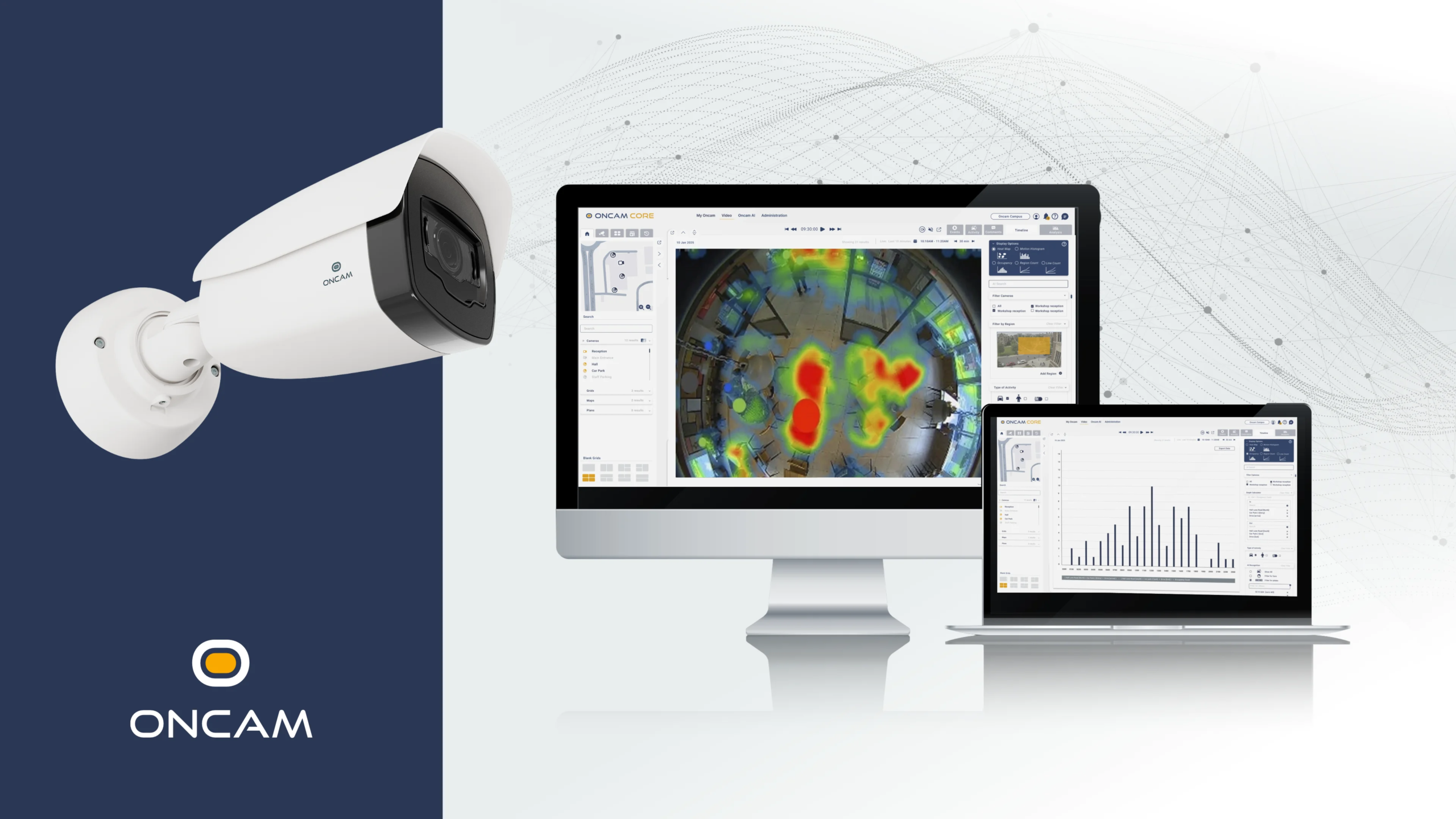
How AI at the Edge Is Transforming Video Surveillance Artificial intelligence has been part of video surveillance for years. What’s changed is where that intelligence lives. As edge [...]
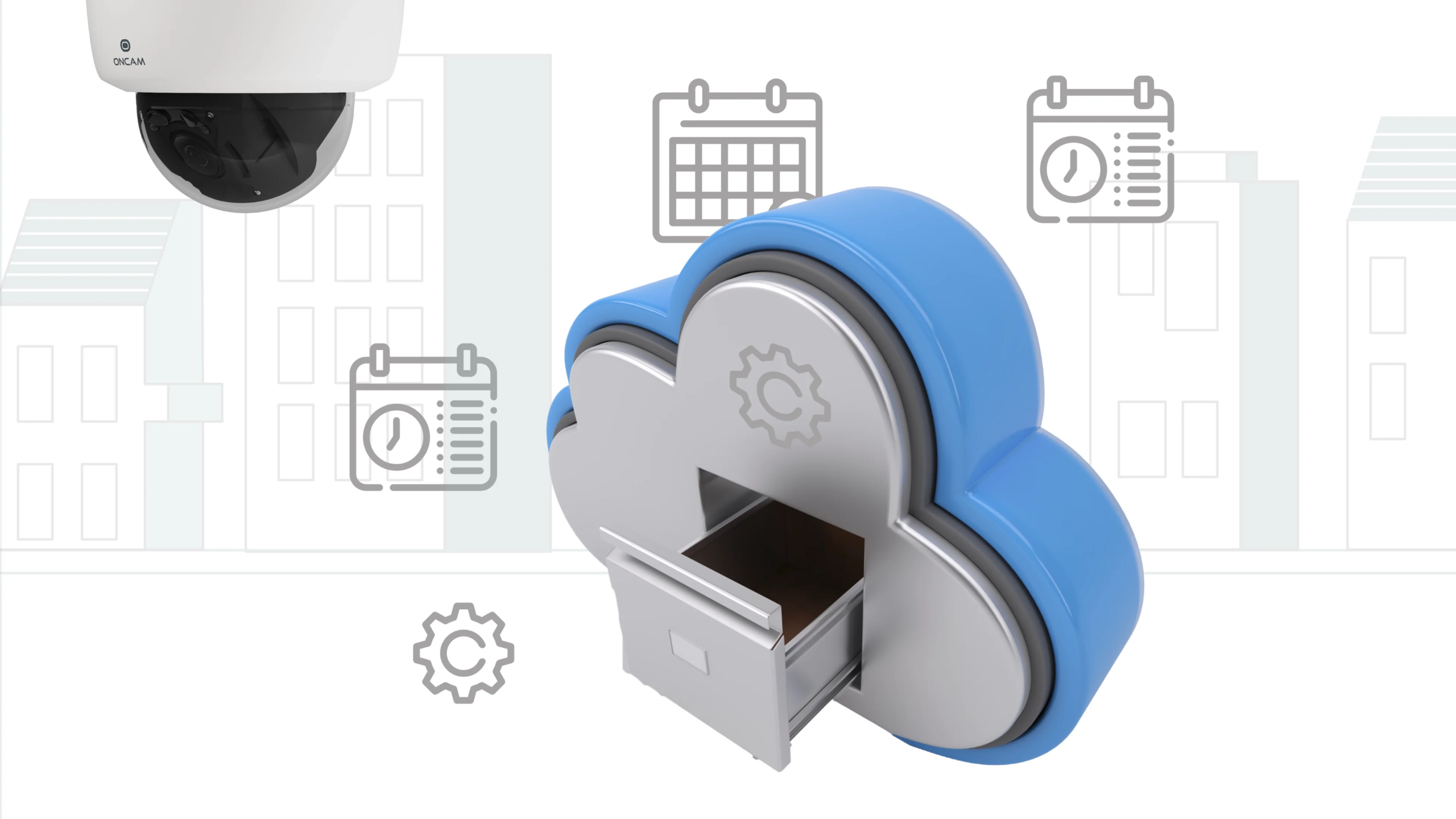
Storage has traditionally been one of the most rigid parts of video surveillance. For many integrators, legacy architectures forced a choice between local retention or centralized storage - a [...]