Reducing TCO: Cloud Solutions vs. Traditional Server-Based Surveillance
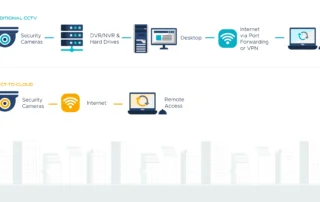
For years, the total cost of ownership (TCO) in physical security has been shaped by hardware—servers, storage, and the ongoing effort required to keep them running. But as organizations expand across multiple sites and the volume of video data grows, this model becomes harder to scale without significant complexity and cost. Traditional server-based architectures rely on large upfront capital investments, routine maintenance, and periodic hardware refresh cycles. These systems can be predictable, but they’re also rigid. Scaling typically means adding more servers, more storage, and more specialist resources to keep everything connected and performing. As environments evolve, this model [...]
How Edge AI is Transforming Video Surveillance Performance
How AI at the Edge Is Transforming Video Surveillance Artificial intelligence has been part of video surveillance for years. What’s changed is where that intelligence lives. As edge hardware becomes more capable, AI processing is moving closer to where video originates—a shift that’s reshaping system performance, resilience, and the overall user experience. Shifting AI to the edge reduces reliance on centralized infrastructure. Instead of streaming all video to a server or cloud for analysis, cameras can detect events, generate metadata, and surface insights in real time. This lowers latency, reduces bandwidth consumption, and keeps systems operational even when [...]

Why Edge-to-Cloud Surveillance Systems Are Outperforming Legacy NVR Networks
For years, NVR-centric surveillance architectures defined how video systems were deployed and managed. Cameras captured footage, local recorders stored it, and servers handled access and playback. While effective in their time, these systems were built for static environments—not for today’s expectations around scalability, mobility, and intelligence. In contrast, edge-to-cloud architectures outperform legacy NVR networks because they fundamentally rebalance where intelligence, management, and storage live. How Hybrid Architecture Is Redefining System Design Advances in chipset engineering have transformed modern cameras into purpose-built edge devices capable of running analytics, encoding video efficiently, and monitoring system health in real time. By processing [...]
The Power of Hybrid Storage Strategies
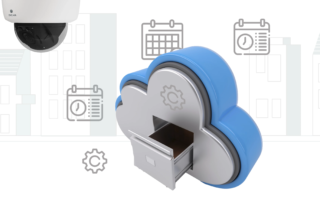
Storage has traditionally been one of the most rigid parts of video surveillance. For many integrators, legacy architectures forced a choice between local retention or centralized storage - a decision that often led to oversizing, unnecessary cost, or systems that were harder to manage than they needed to be. Hybrid storage strategies change that. In modern edge‑to‑cloud architectures, storage becomes policy‑driven rather than fixed. Local storage at the edge provides immediate resilience and fast access, ensuring continuous recording even during network disruptions. Cloud storage then supports long‑term retention, centralized visibility, and regulatory compliance - without the burden of oversized [...]
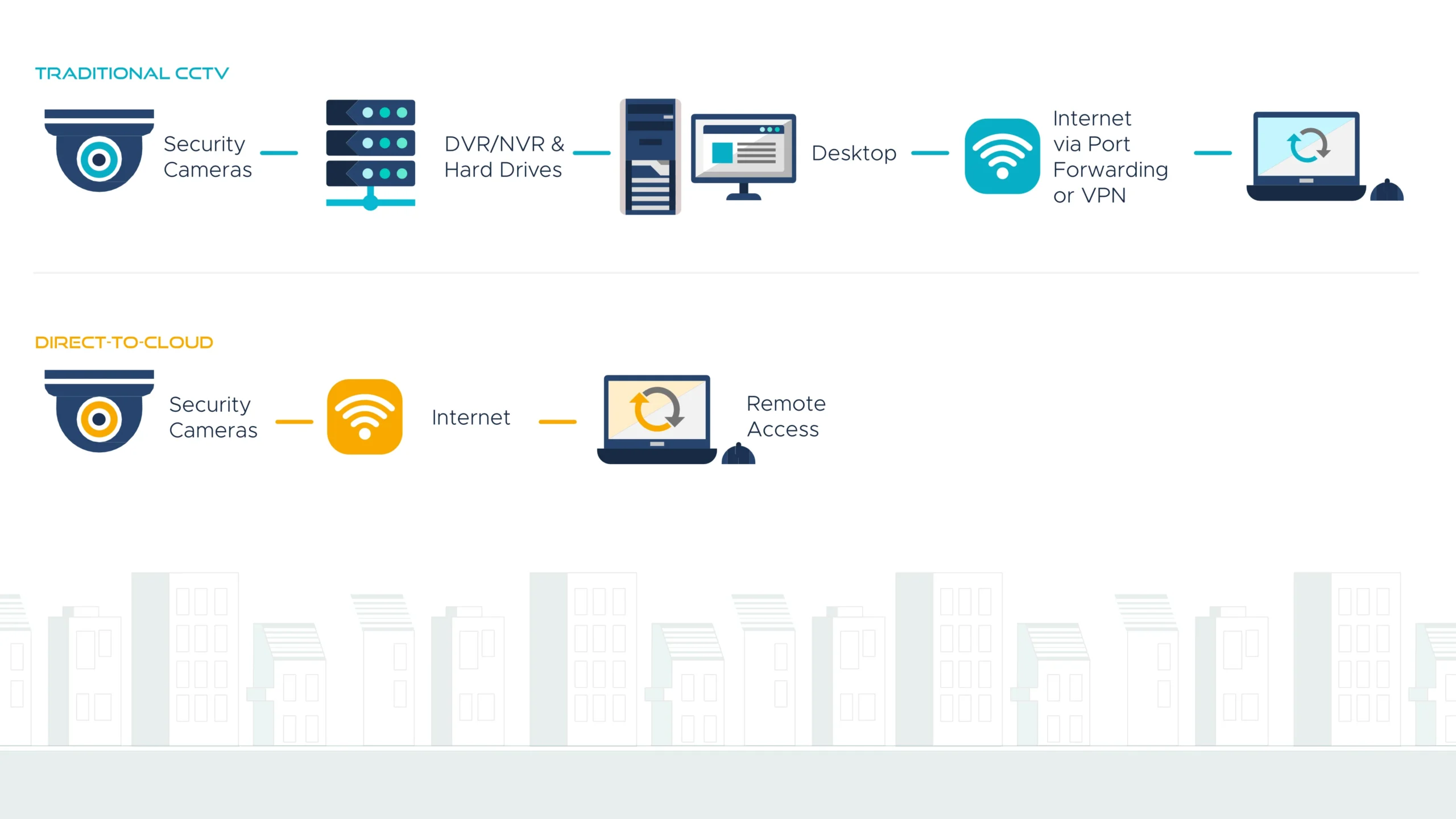
For years, the total cost of ownership (TCO) in physical security has been shaped by hardware—servers, storage, and the ongoing effort required to keep them running. But as organizations [...]
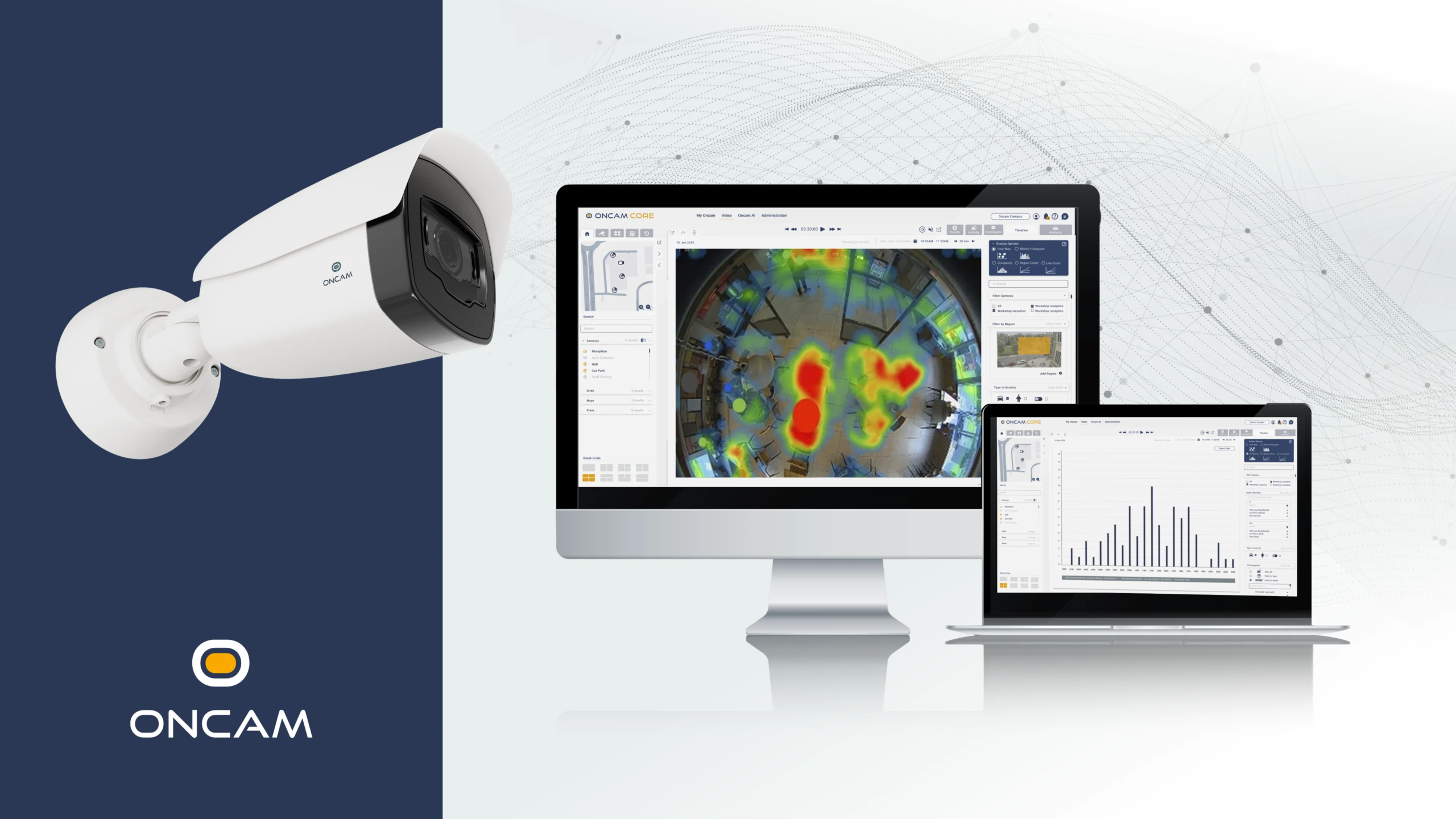
How AI at the Edge Is Transforming Video Surveillance Artificial intelligence has been part of video surveillance for years. What’s changed is where that intelligence lives. As edge [...]

For years, NVR-centric surveillance architectures defined how video systems were deployed and managed. Cameras captured footage, local recorders stored it, and servers handled access and playback. While effective in [...]
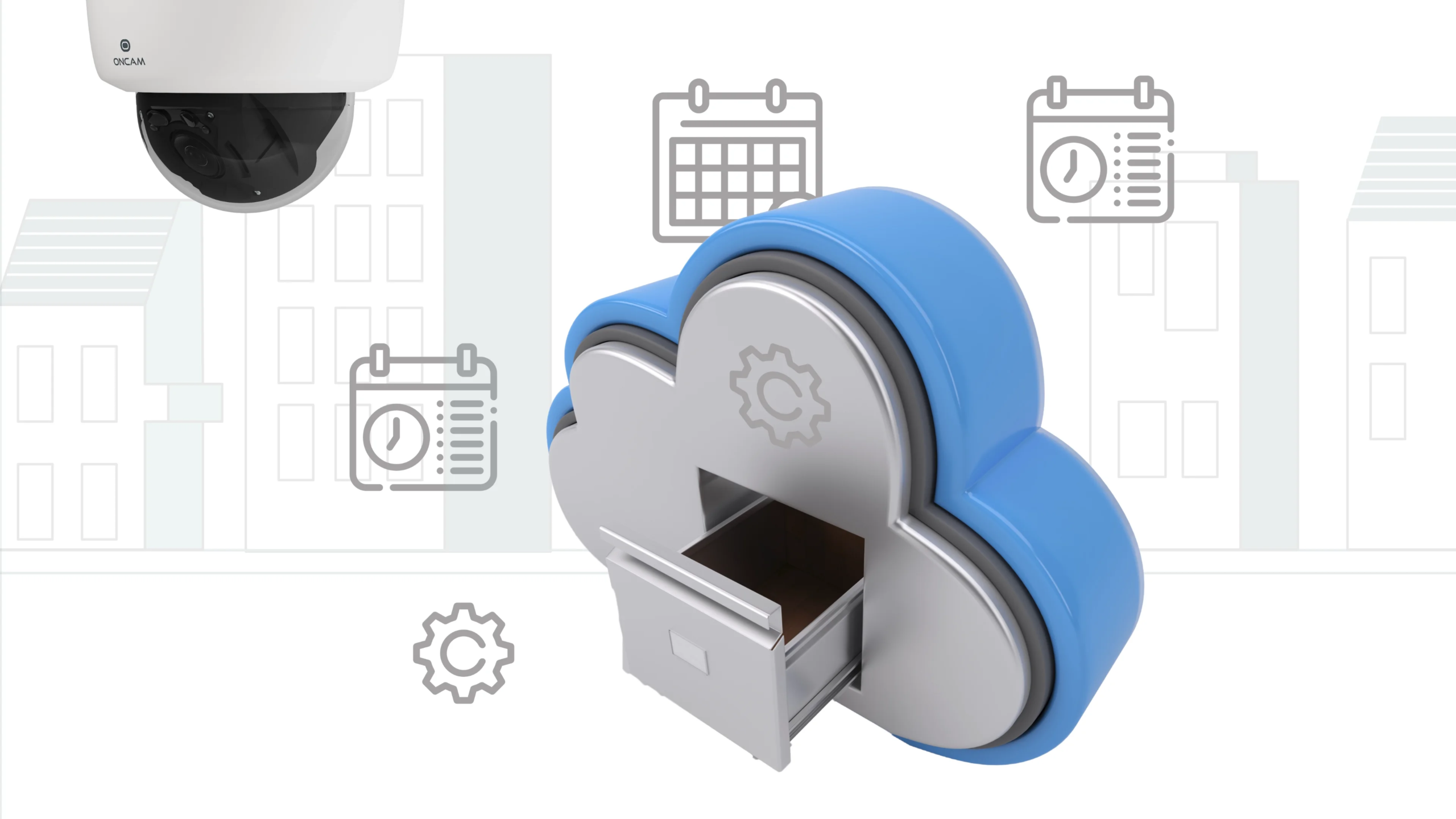
Storage has traditionally been one of the most rigid parts of video surveillance. For many integrators, legacy architectures forced a choice between local retention or centralized storage - a [...]