
Mobile-First Security: The Importance of Remote Surveillance
Security teams don’t live in control rooms anymore. As operations spread across sites, camera counts grow, and organizations become more distributed, the way we think about video surveillance has fundamentally changed. Mobile‑first system design is no longer a nice‑to‑have—it’s essential. Security platforms built around remote accessibility provide secure, role-based access to live and recorded video, alerts, and system controls from anywhere. This shift doesn’t just improve response times; it reduces reliance on on‑site infrastructure and keeps teams connected to what matters, no matter where they are. When mobile access is powered by modern edge‑to‑cloud architecture, the result is enterprise‑grade [...]

Why Edge-to-Cloud Surveillance Systems Are Outperforming Legacy NVR Networks
For years, NVR-centric surveillance architectures defined how video systems were deployed and managed. Cameras captured footage, local recorders stored it, and servers handled access and playback. While effective in their time, these systems were built for static environments—not for today’s expectations around scalability, mobility, and intelligence. In contrast, edge-to-cloud architectures outperform legacy NVR networks because they fundamentally rebalance where intelligence, management, and storage live. How Hybrid Architecture Is Redefining System Design Advances in chipset engineering have transformed modern cameras into purpose-built edge devices capable of running analytics, encoding video efficiently, and monitoring system health in real time. By processing [...]
Why Cloud?
The physical security landscape is changing fast. For decades, video surveillance depended on local hardware, such as NVRs, on‑prem VMS servers, and complex camera‑to‑server networks that were expensive to deploy, difficult to scale, and time‑consuming to maintain. As expectations for real‑time visibility, mobile access, and AI‑powered insights continue to rise, it’s become clear that the cloud is no longer a “nice‑to‑have” but the foundation of a more agile, scalable, and modern approach to security. The Edge-to-Cloud Revolution This shift is being driven by two major forces: Today’s cloud platforms deliver reliability, elasticity, and global availability that simply can’t be [...]
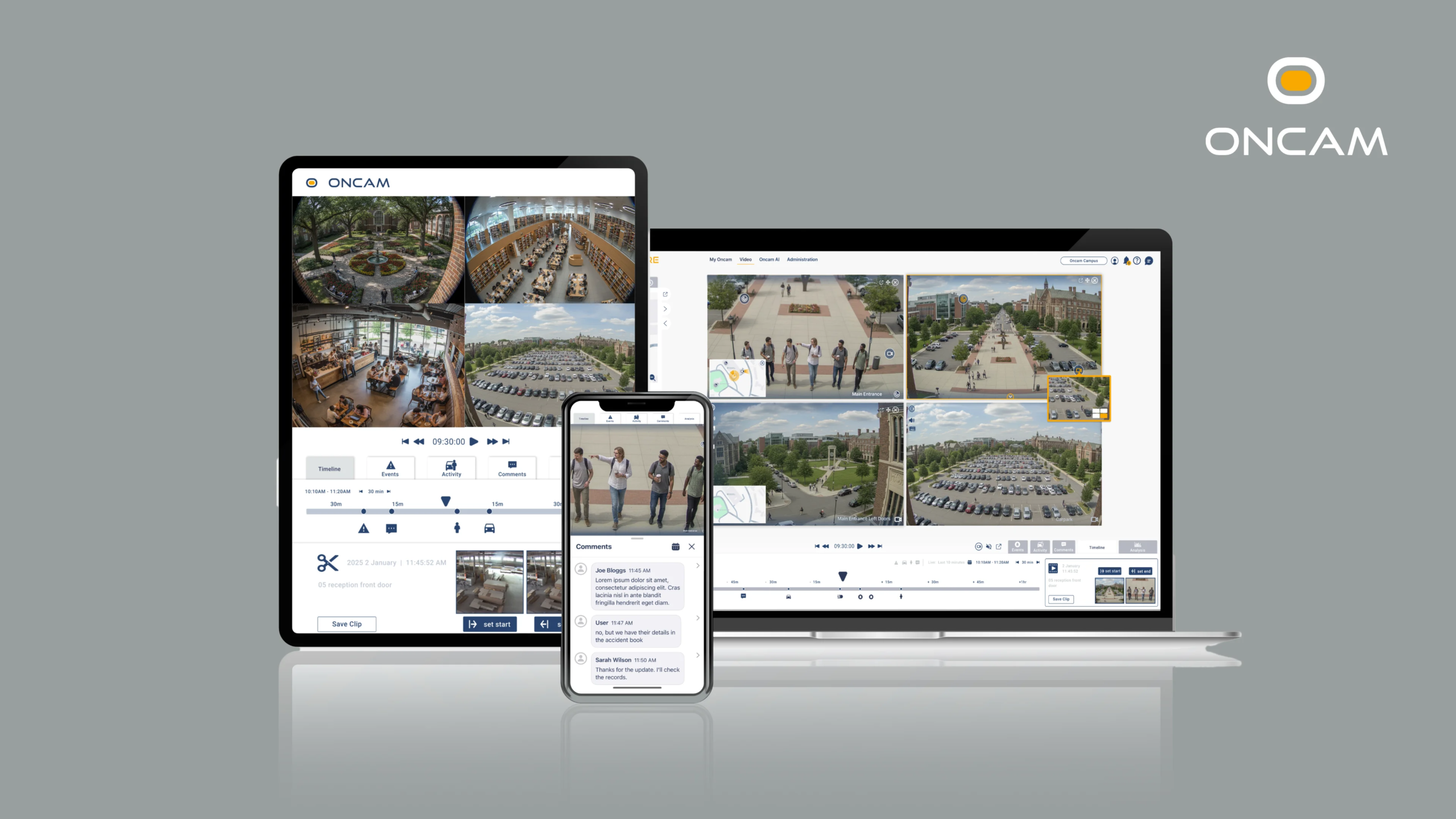
Security teams don’t live in control rooms anymore. As operations spread across sites, camera counts grow, and organizations become more distributed, the way we think about video surveillance has [...]

For years, NVR-centric surveillance architectures defined how video systems were deployed and managed. Cameras captured footage, local recorders stored it, and servers handled access and playback. While effective in [...]
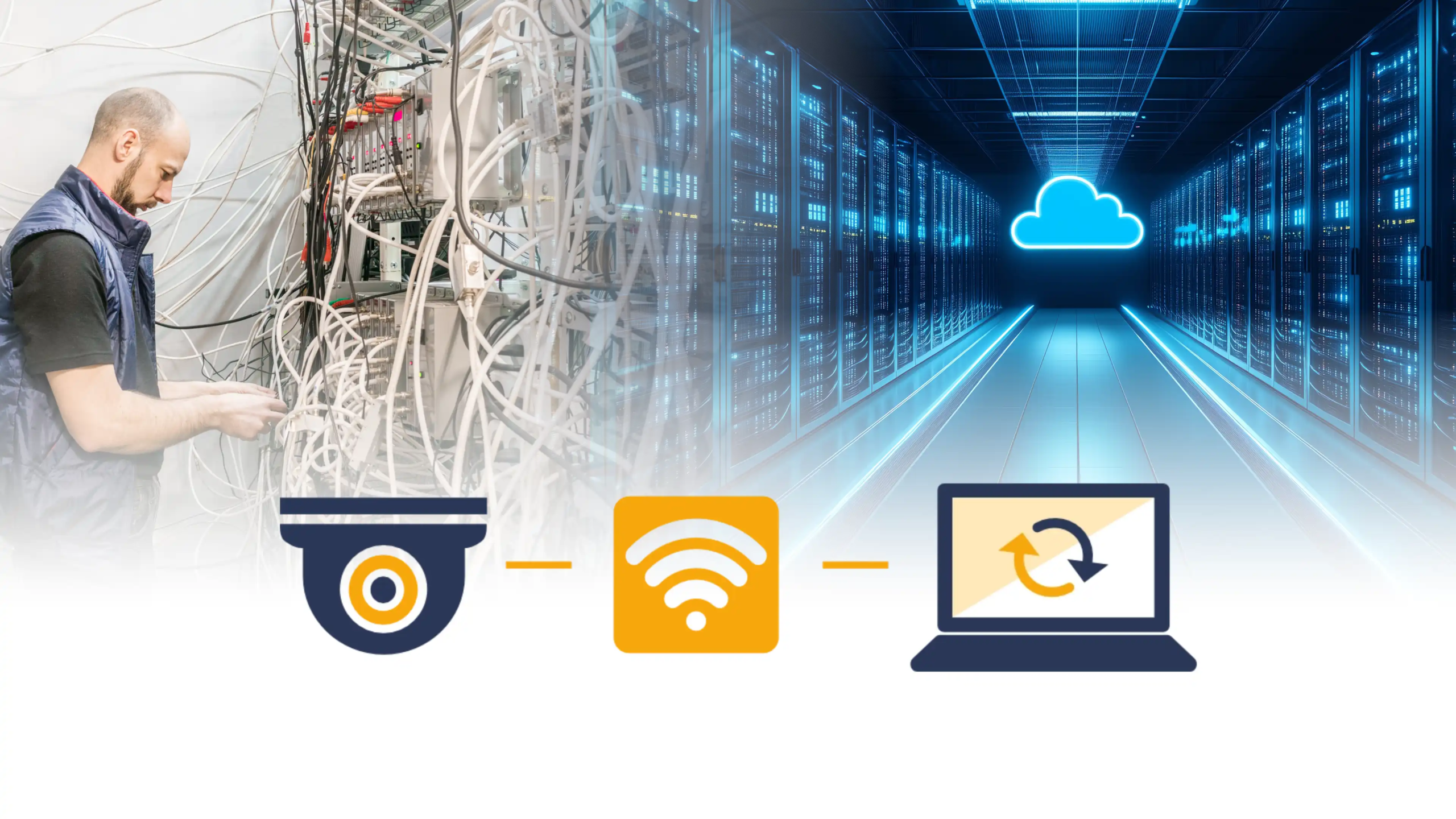
The physical security landscape is changing fast. For decades, video surveillance depended on local hardware, such as NVRs, on‑prem VMS servers, and complex camera‑to‑server networks that were expensive to [...]