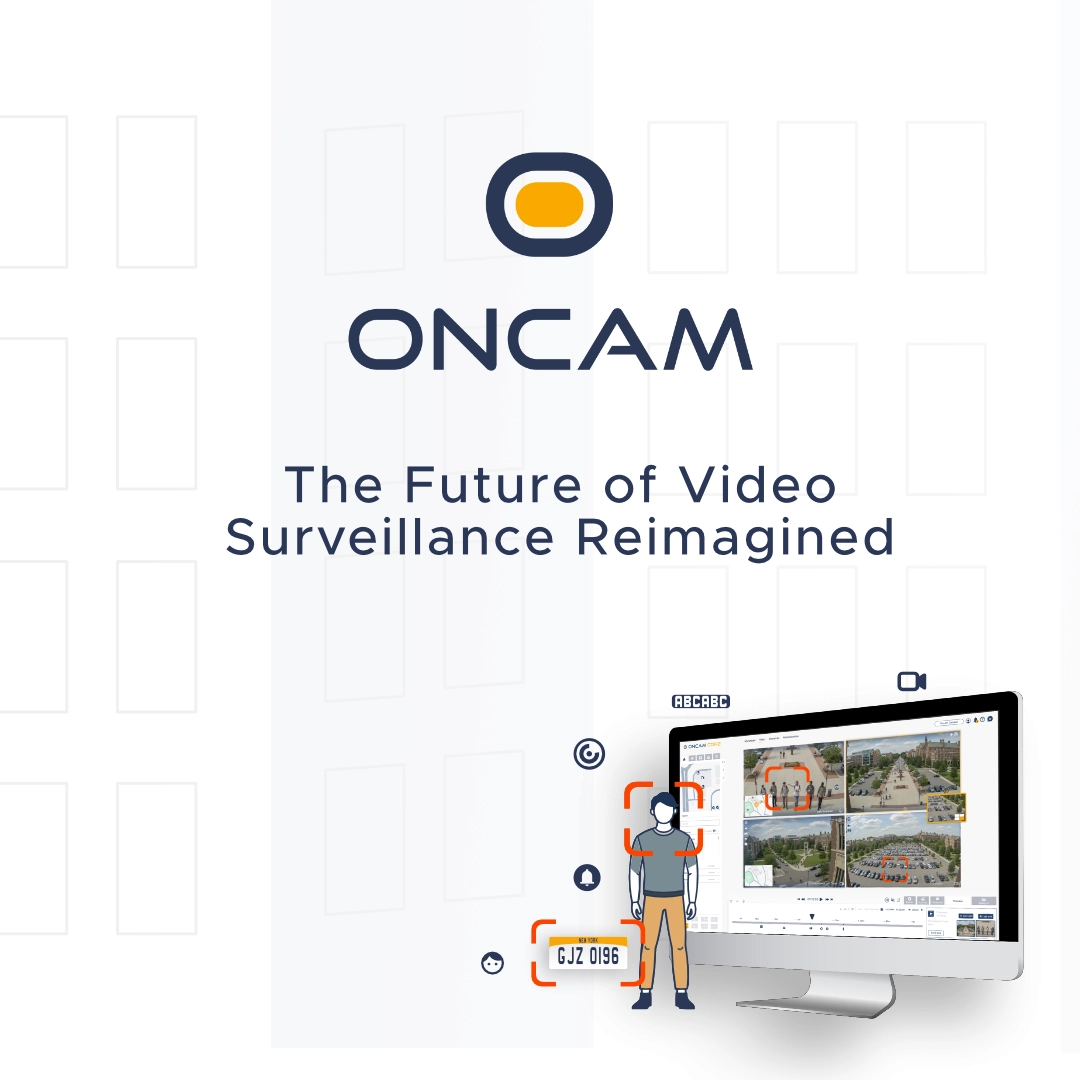

Mobile-First Security: The Importance of Remote Surveillance
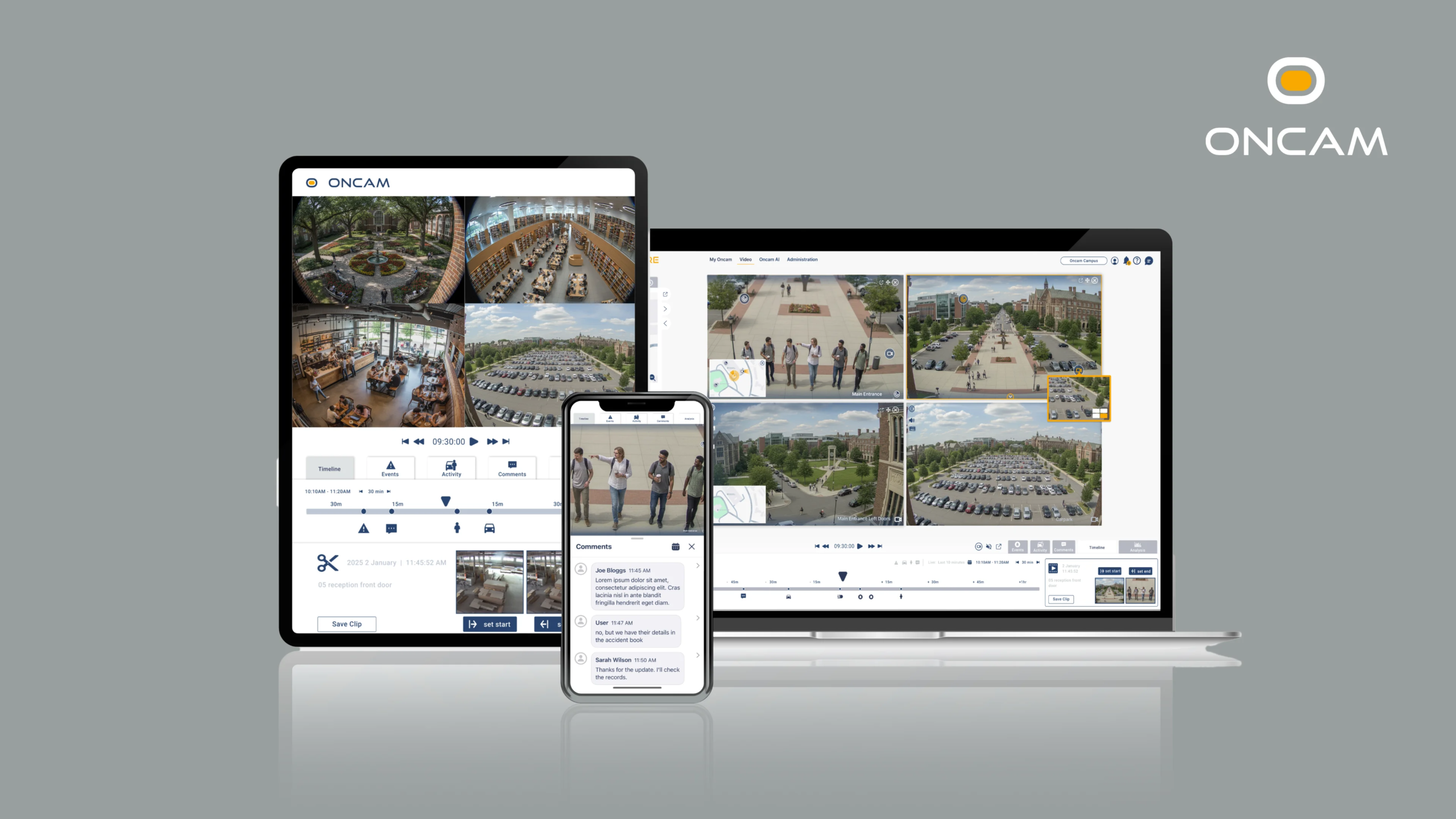
Security teams don’t live in control rooms anymore. As operations spread across sites, camera counts grow, and organizations become more distributed, the way we think about video surveillance has fundamentally changed. Mobile‑first system design is no longer a nice‑to‑have—it’s essential. Security platforms built around remote accessibility provide secure, role-based access to live and recorded video, alerts, and system controls from anywhere. This shift doesn’t just improve response times; it reduces reliance on on‑site infrastructure and keeps teams connected to what matters, no matter where they are. When mobile access is powered by modern edge‑to‑cloud architecture, the result is enterprise‑grade [...]

Why Edge-to-Cloud Surveillance Systems Are Outperforming Legacy NVR Networks
For years, NVR-centric surveillance architectures defined how video systems were deployed and managed. Cameras captured footage, local recorders stored it, and servers handled access and playback. While effective in their time, these systems were built for static environments—not for today’s expectations around scalability, mobility, and intelligence. In contrast, edge-to-cloud architectures outperform legacy NVR networks because they fundamentally rebalance where intelligence, management, and storage live. How Hybrid Architecture Is Redefining System Design Advances in chipset engineering have transformed modern cameras into purpose-built edge devices capable of running analytics, encoding video efficiently, and monitoring system health in real time. By processing [...]
The Power of Hybrid Storage Strategies
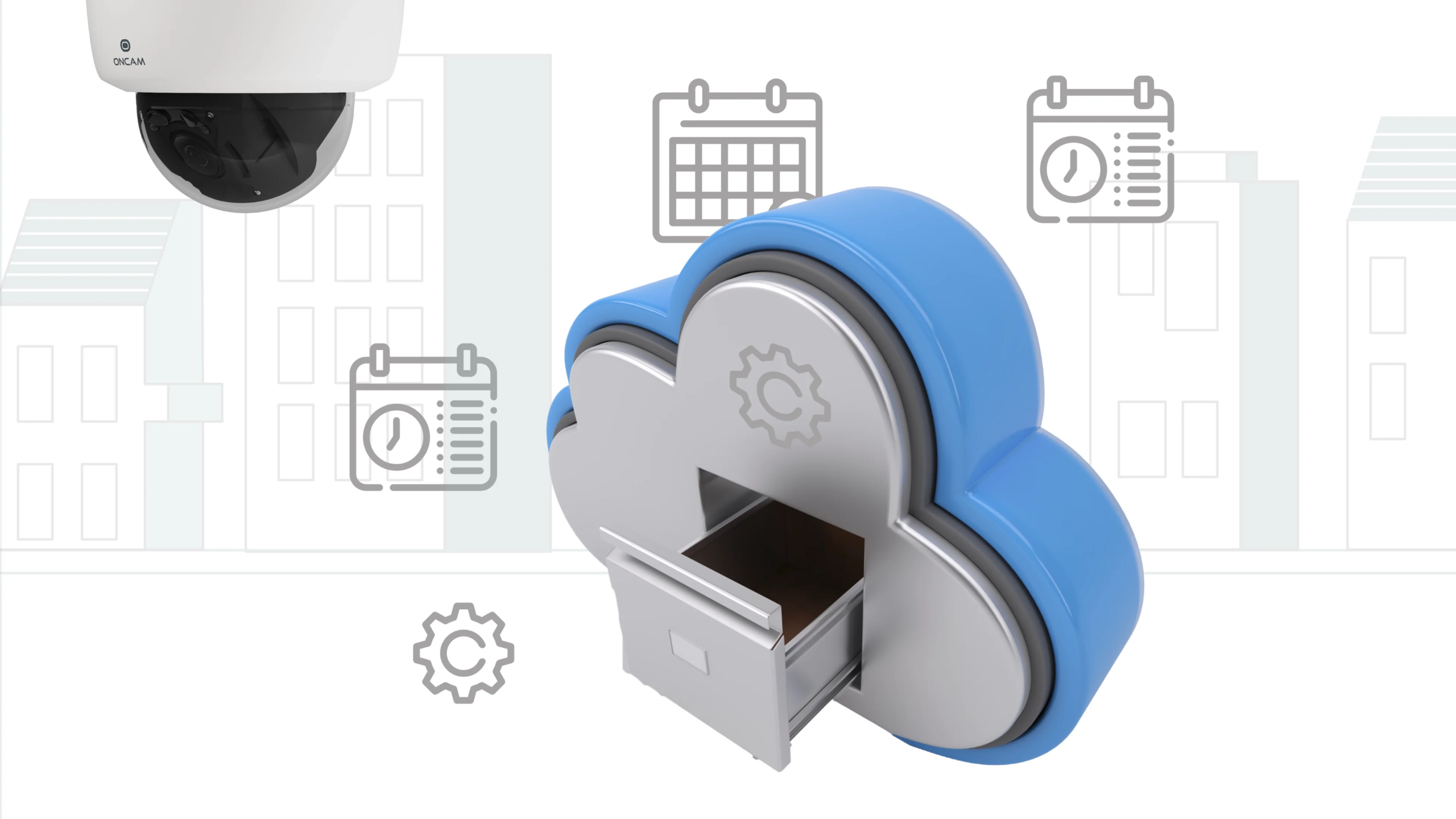
Storage has traditionally been one of the most rigid parts of video surveillance. For many integrators, legacy architectures forced a choice between local retention or centralized storage - a decision that often led to oversizing, unnecessary cost, or systems that were harder to manage than they needed to be. Hybrid storage strategies change that. In modern edge‑to‑cloud architectures, storage becomes policy‑driven rather than fixed. Local storage at the edge provides immediate resilience and fast access, ensuring continuous recording even during network disruptions. Cloud storage then supports long‑term retention, centralized visibility, and regulatory compliance - without the burden of oversized [...]
Security teams don’t live in control rooms anymore. As operations spread across sites, camera counts grow, and organizations become more distributed, the way we think about video surveillance has [...]

For years, NVR-centric surveillance architectures defined how video systems were deployed and managed. Cameras captured footage, local recorders stored it, and servers handled access and playback. While effective in [...]
Storage has traditionally been one of the most rigid parts of video surveillance. For many integrators, legacy architectures forced a choice between local retention or centralized storage - a [...]