Understanding the Integrator’s Role in Cloud Transition
Cloud adoption in video surveillance is often framed as a technology shift. In reality, it’s an operational one—and integrators sit at the center of that transition. End users aren’t simply replacing infrastructure. They’re rethinking how systems are deployed, accessed, and maintained across multiple sites. That introduces new variables, including network readiness, data management, cybersecurity, and long-term scalability. This is where the integrator’s role expands. How Cloud Changes System Design - and Expectations As surveillance moves toward cloud and hybrid models, the integrator’s value increasingly extends beyond installation. Today, partners are shaping how systems function over time, helping [...]

Multi-Mode: Rethinking Fixed Camera Views
When it comes to 360-degree surveillance, Oncam’s fisheye camera range delivers a flexible and high-performance foundation for complete scene coverage. Designed with a compact form factor, these cameras are powered by a Qualcomm Technologies SoC, enabling high frame rate streaming alongside advanced capabilities such as TrueDetail HDR, StreamLite+ compression, and Advanced Light Management. Built on decades of expertise in panoramic imaging, Oncam has evolved the traditional 360-degree camera into a more dynamic and adaptable solution. Through advanced onboard edge-based dewarping and Multi-Mode capabilities, a single fisheye capture can be transformed into multiple, purpose-driven views. [...]
From Video to Insight: Scaling Intelligence with Cloud-Native VMS
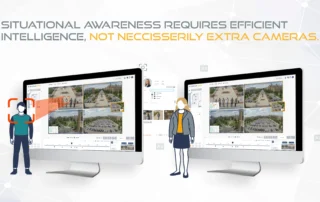
Real-time visibility isn’t simply a function of camera count. It depends on how efficiently video, metadata, alerts, and system health data move across an organization. As security threats continue to evolve, it’s become clear that legacy VMS deployments weren’t designed for distributed scale. Cloud-native VMS platforms approach the problem differently. Centralized Orchestration Without Centralized Fragility Cloud-native platforms reframe management as orchestration rather than hardware oversight. Devices can be provisioned remotely, policies applied centrally, and health monitored continuously across multiple locations. In the meantime, the cloud layer becomes a coordination engine—not a single point of dependency. When paired with intelligent [...]
Reducing TCO: Cloud Solutions vs. Traditional Server-Based Surveillance
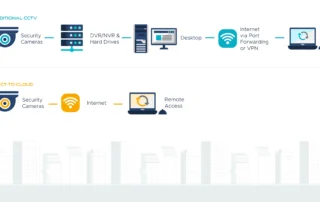
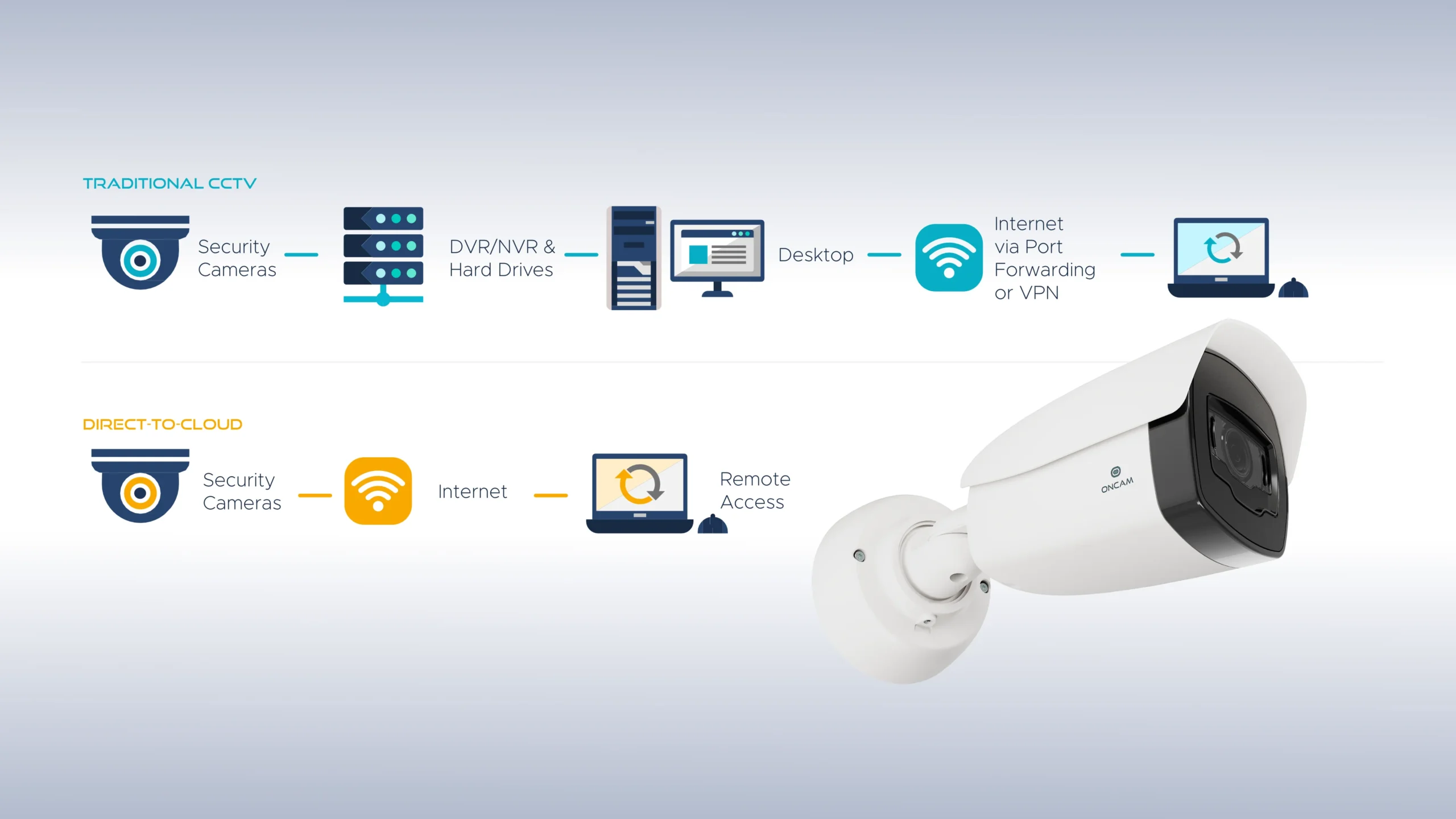
For years, the total cost of ownership (TCO) in physical security has been shaped by hardware—servers, storage, and the ongoing effort required to keep them running. But as organizations expand across multiple sites and the volume of video data grows, this model becomes harder to scale without significant complexity and cost. Traditional server-based architectures rely on large upfront capital investments, routine maintenance, and periodic hardware refresh cycles. These systems can be predictable, but they’re also rigid. Scaling typically means adding more servers, more storage, and more specialist resources to keep everything connected and performing. As environments evolve, this model [...]

Designing Future-Ready Security Systems: What Integrators Should Ask Their Vendors
Designing a security system that performs reliably today—and remains effective as requirements evolve—has never been more challenging. Integrators are being asked to deliver solutions that flex with changing environments, shifting threats, and rapidly expanding data demands. End users, meanwhile, face increasing pressure to safeguard their operations with systems that won’t become obsolete the moment requirements change. Building a truly future-ready system starts with asking the right questions. Not just of end users, but of the technology partners you rely on to deliver scalable, long‑term value: 1. How is your surveillance platform architected? Systems built on cloud-native or hybrid foundations are [...]

The Case for Open Standards in Modern Surveillance Ecosystems
Video surveillance systems no longer operate in isolation. Cameras, access control, analytics engines, storage platforms, and management software now intersect across sites, networks, and organizational teams. In this environment, closed systems create friction. Open standards reduce that friction. Interoperability is now the backbone of modern surveillance. When devices communicate through widely adopted protocols, integrators can design around operational needs - not vendor limitations. This isn’t about experimentation. It’s about building systems that behave predictably and scale with confidence. Interoperability as Operational Insurance Open standards such as ONVIF have become foundational to IP-based deployments. By defining common communication frameworks between cameras, [...]

Mobile-First Security: The Importance of Remote Surveillance
Security teams don’t live in control rooms anymore. As operations spread across sites, camera counts grow, and organizations become more distributed, the way we think about video surveillance has fundamentally changed. Mobile‑first system design is no longer a nice‑to‑have—it’s essential. Security platforms built around remote accessibility provide secure, role-based access to live and recorded video, alerts, and system controls from anywhere. This shift doesn’t just improve response times; it reduces reliance on on‑site infrastructure and keeps teams connected to what matters, no matter where they are. When mobile access is powered by modern edge‑to‑cloud architecture, the result is enterprise‑grade [...]
How Edge AI is Transforming Video Surveillance Performance
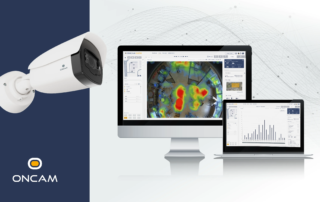
How AI at the Edge Is Transforming Video Surveillance Artificial intelligence has been part of video surveillance for years. What’s changed is where that intelligence lives. As edge hardware becomes more capable, AI processing is moving closer to where video originates—a shift that’s reshaping system performance, resilience, and the overall user experience. Shifting AI to the edge reduces reliance on centralized infrastructure. Instead of streaming all video to a server or cloud for analysis, cameras can detect events, generate metadata, and surface insights in real time. This lowers latency, reduces bandwidth consumption, and keeps systems operational even when [...]

Why Edge-to-Cloud Surveillance Systems Are Outperforming Legacy NVR Networks
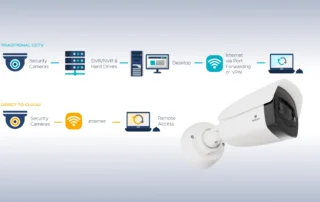
For years, NVR-centric surveillance architectures defined how video systems were deployed and managed. Cameras captured footage, local recorders stored it, and servers handled access and playback. While effective in their time, these systems were built for static environments—not for today’s expectations around scalability, mobility, and intelligence. In contrast, edge-to-cloud architectures outperform legacy NVR networks because they fundamentally rebalance where intelligence, management, and storage live. How Hybrid Architecture Is Redefining System Design Advances in chipset engineering have transformed modern cameras into purpose-built edge devices capable of running analytics, encoding video efficiently, and monitoring system health in real time. By processing [...]
The Power of Hybrid Storage Strategies
Storage has traditionally been one of the most rigid parts of video surveillance. For many integrators, legacy architectures forced a choice between local retention or centralized storage - a decision that often led to oversizing, unnecessary cost, or systems that were harder to manage than they needed to be. Hybrid storage strategies change that. In modern edge‑to‑cloud architectures, storage becomes policy‑driven rather than fixed. Local storage at the edge provides immediate resilience and fast access, ensuring continuous recording even during network disruptions. Cloud storage then supports long‑term retention, centralized visibility, and regulatory compliance - without the burden of oversized [...]
Cloud adoption in video surveillance is often framed as a technology shift. In reality, it’s an operational one—and integrators sit at the center of that transition. End users aren’t [...]

When it comes to 360-degree surveillance, Oncam’s fisheye camera range delivers a flexible and high-performance foundation for complete scene coverage. Designed with a compact form factor, these cameras are [...]
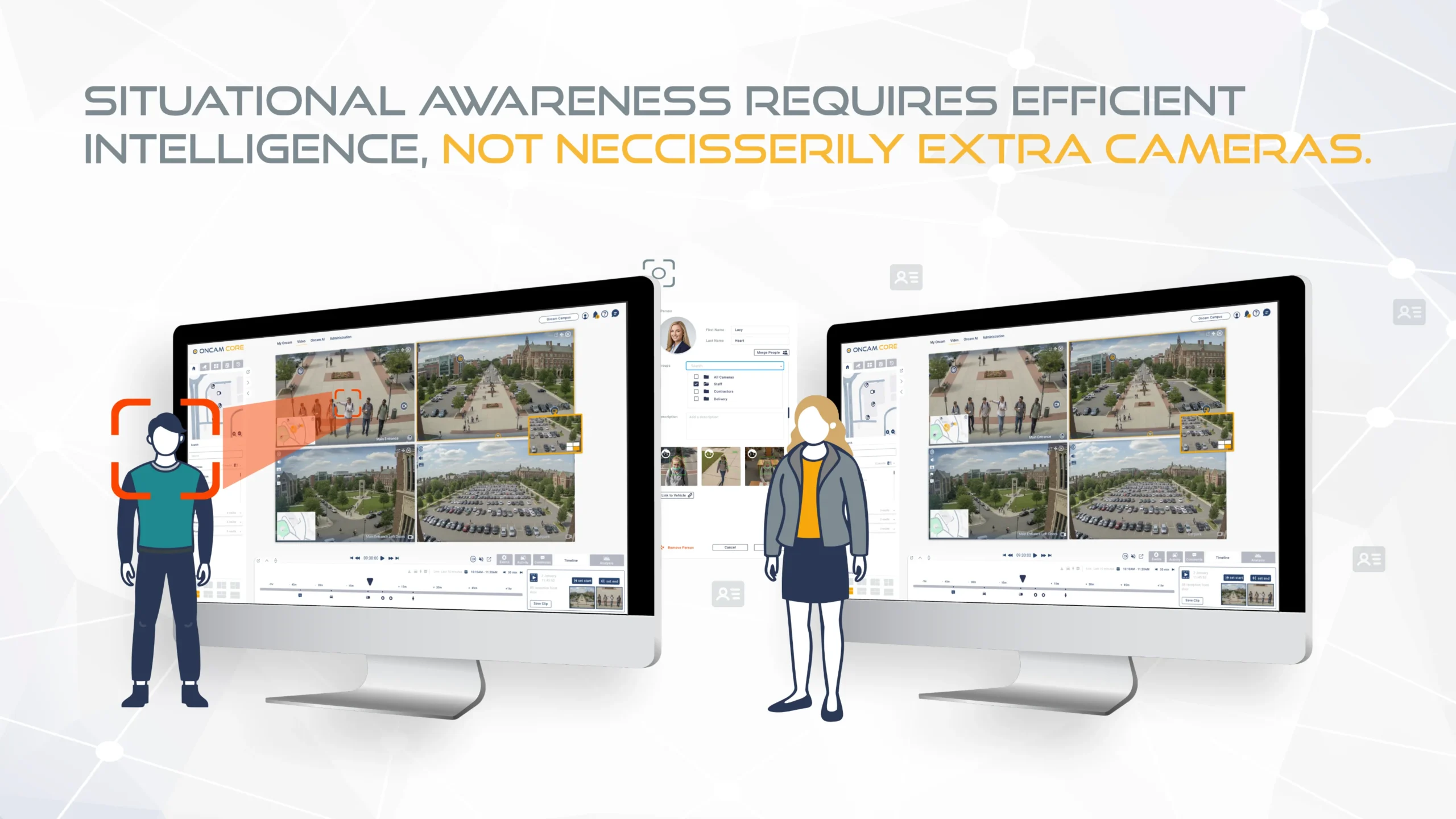
Real-time visibility isn’t simply a function of camera count. It depends on how efficiently video, metadata, alerts, and system health data move across an organization. As security threats continue [...]
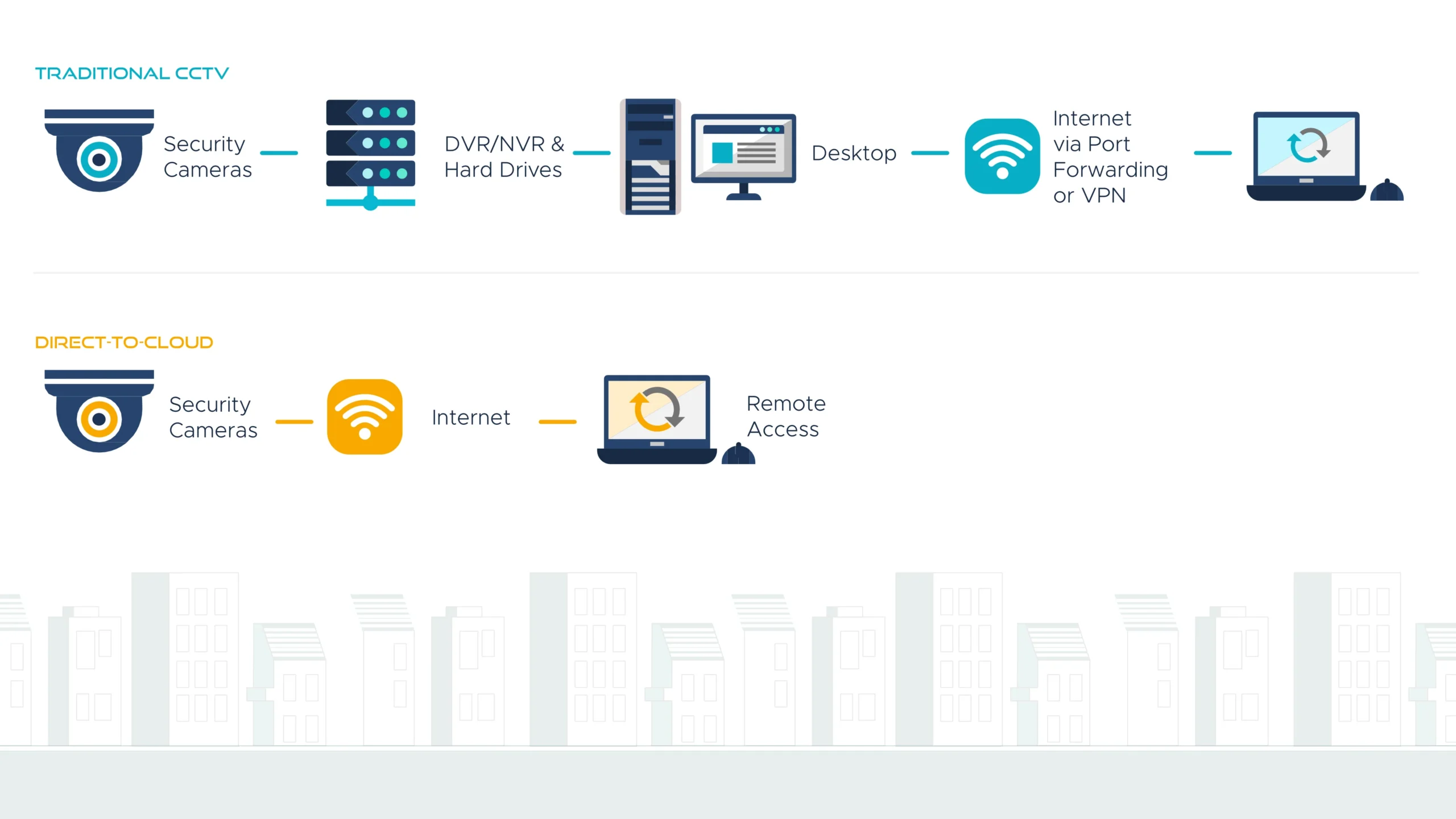
For years, the total cost of ownership (TCO) in physical security has been shaped by hardware—servers, storage, and the ongoing effort required to keep them running. But as organizations [...]

Designing a security system that performs reliably today—and remains effective as requirements evolve—has never been more challenging. Integrators are being asked to deliver solutions that flex with changing environments, shifting [...]

Video surveillance systems no longer operate in isolation. Cameras, access control, analytics engines, storage platforms, and management software now intersect across sites, networks, and organizational teams. In this environment, closed [...]
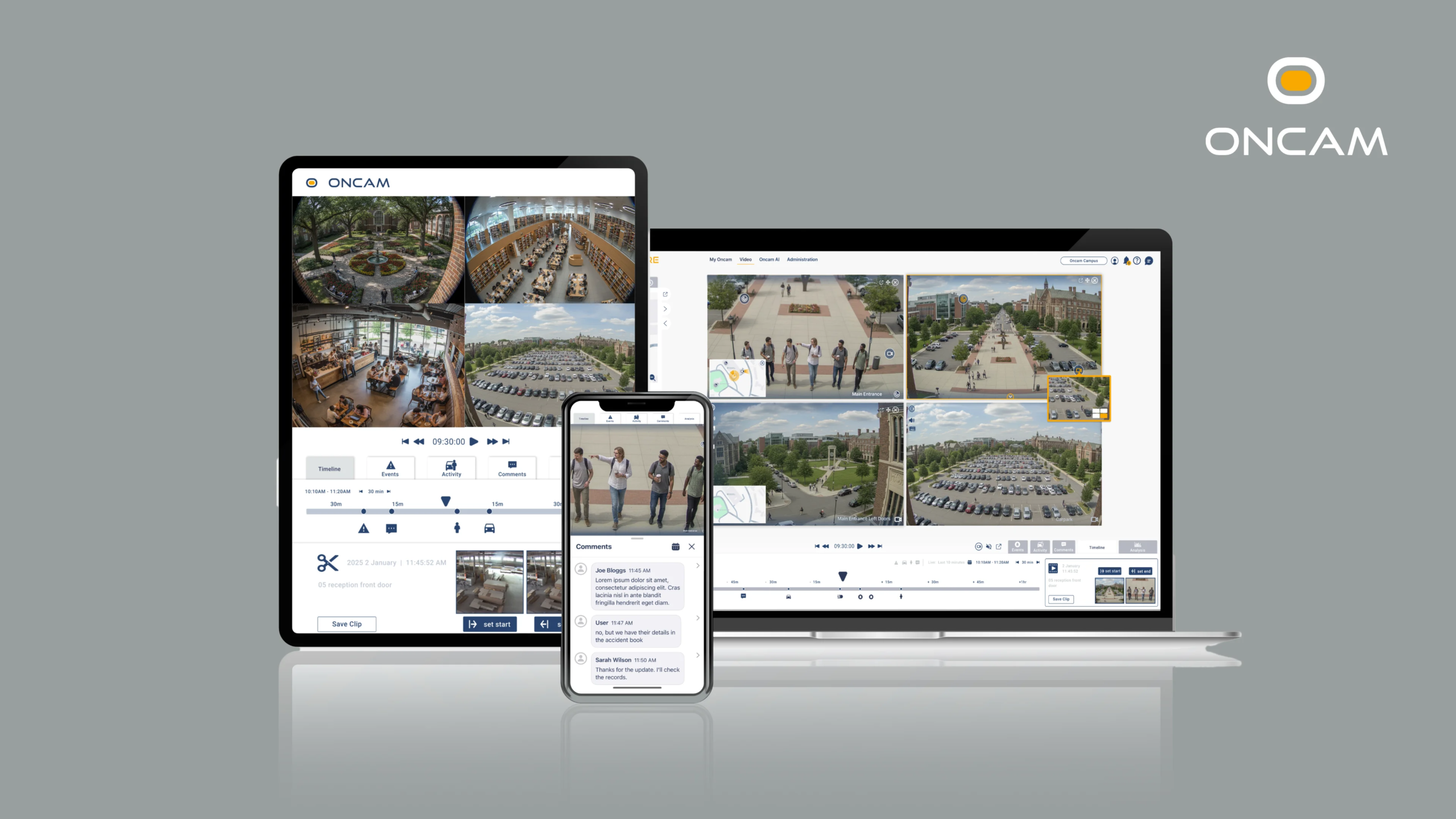
Security teams don’t live in control rooms anymore. As operations spread across sites, camera counts grow, and organizations become more distributed, the way we think about video surveillance has [...]
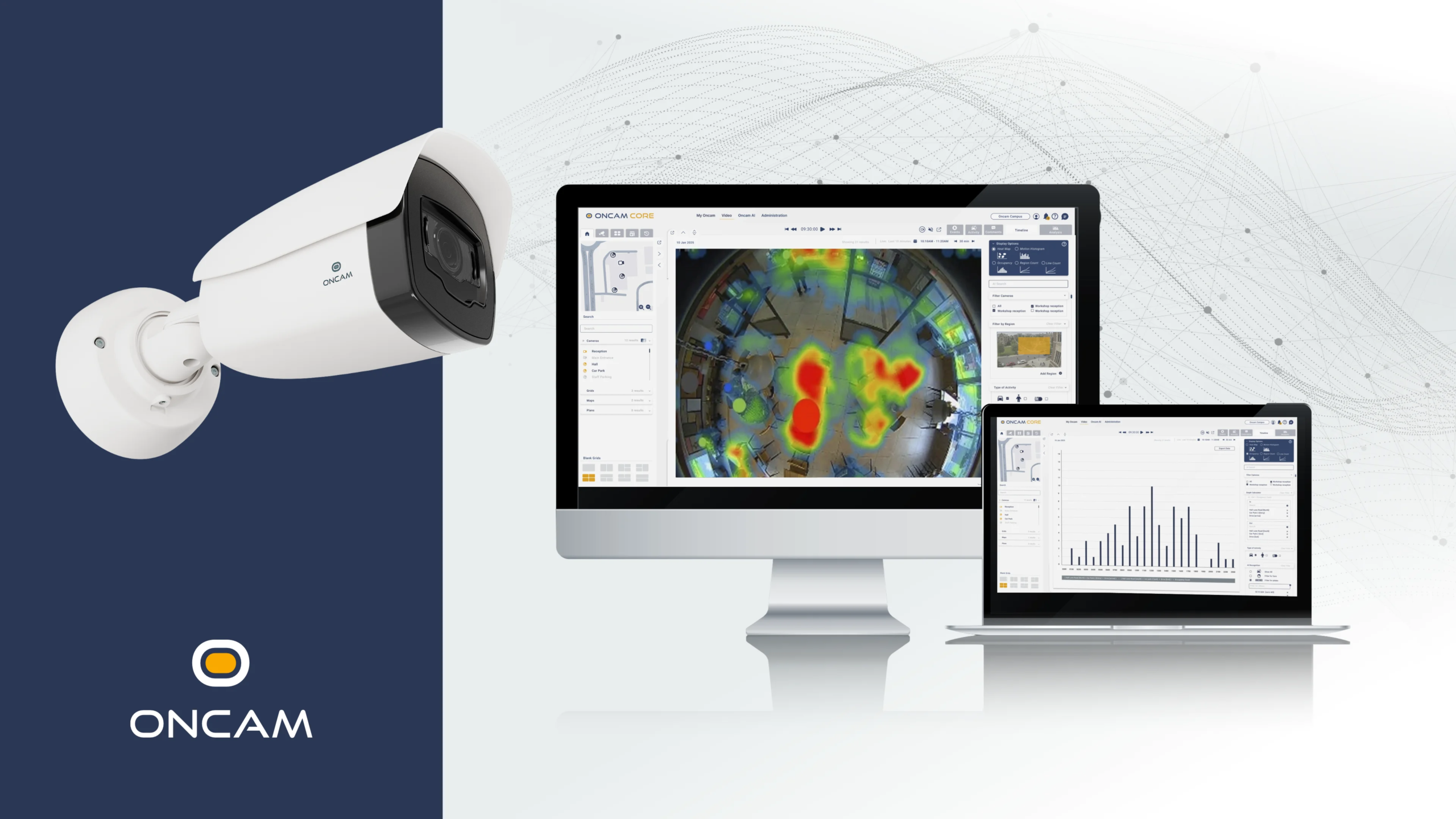
How AI at the Edge Is Transforming Video Surveillance Artificial intelligence has been part of video surveillance for years. What’s changed is where that intelligence lives. As edge [...]

For years, NVR-centric surveillance architectures defined how video systems were deployed and managed. Cameras captured footage, local recorders stored it, and servers handled access and playback. While effective in [...]
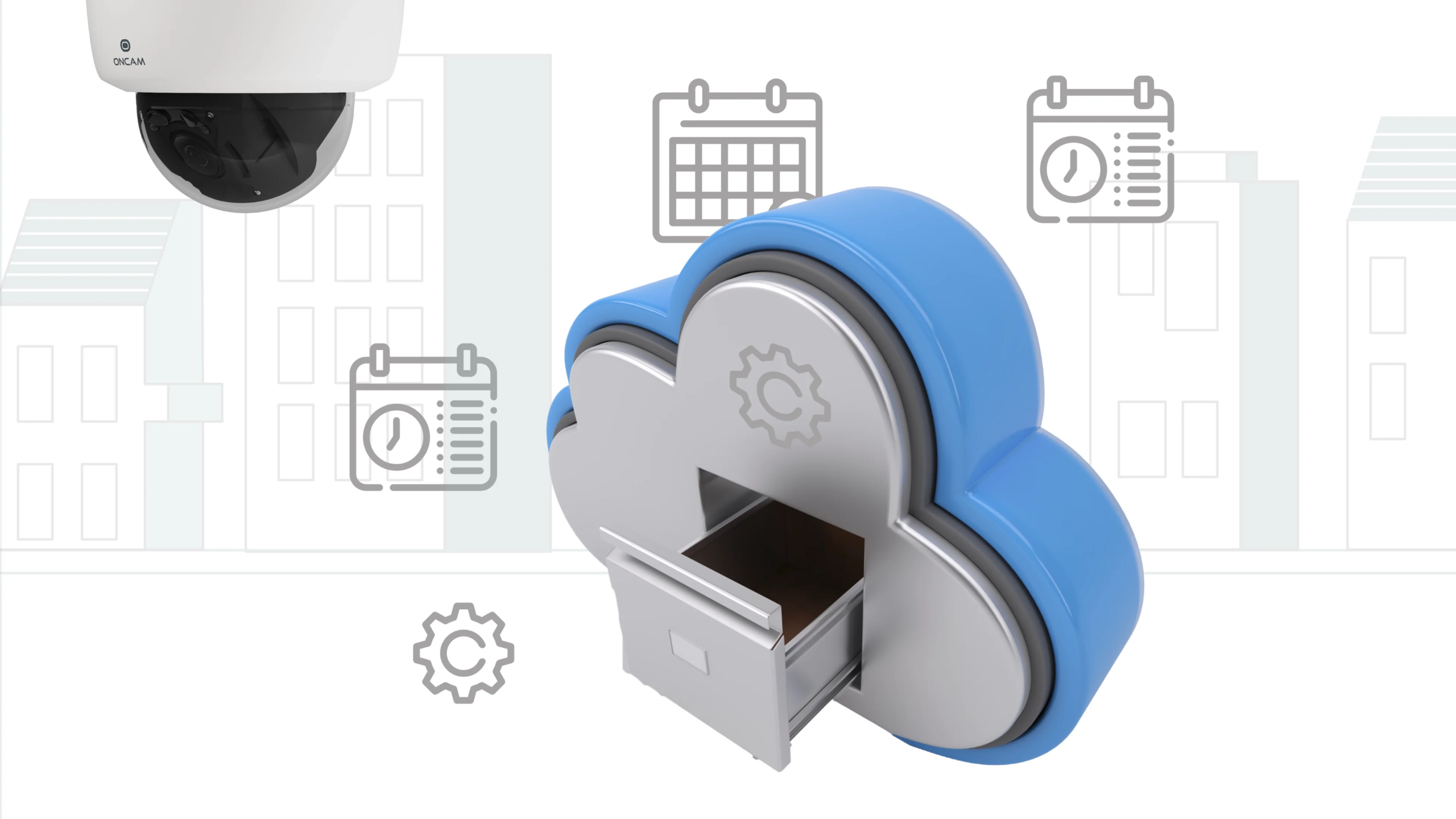
Storage has traditionally been one of the most rigid parts of video surveillance. For many integrators, legacy architectures forced a choice between local retention or centralized storage - a [...]